How New Mexico’s High UV Index Impacts Roof Longevity
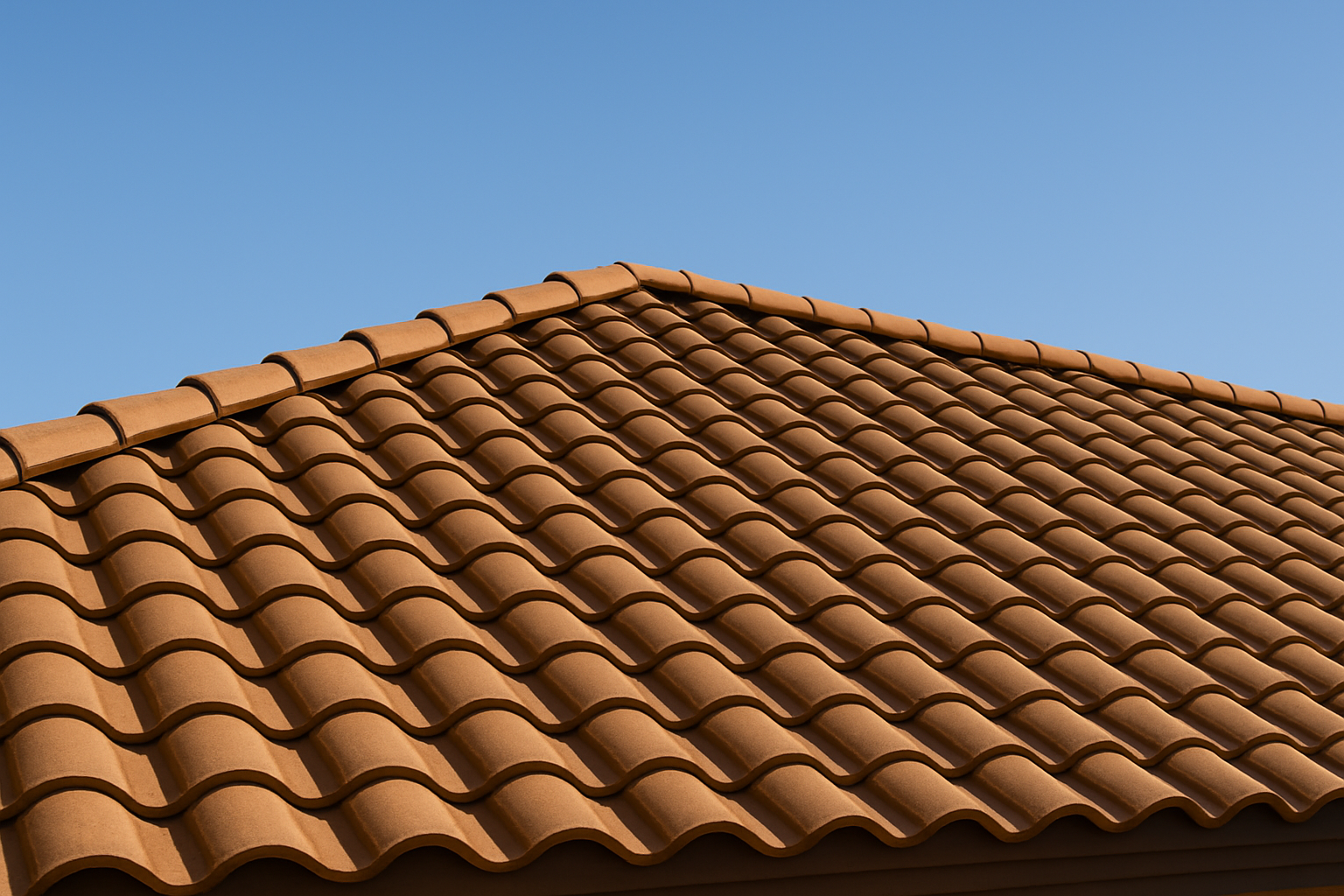
How New Mexico’s High UV Index Impacts Roof Longevity
New Mexico: How Its High UV Index Impacts Roof Longevity (and What You Can Do About It)
The Hidden Roof Killer Above Your Head
New Mexico is famous for its clear skies, abundant sunshine, and breathtaking desert landscapes. But beneath that beautiful blue sky lies a silent threat to your home — ultraviolet (UV) radiation. Understanding how UV radiation affects New Mexico roof longevity is crucial for protecting your property.
With more than 280 sunny days per year and some of the highest UV index levels in the U.S., New Mexico homeowners face unique roofing challenges. The same sunlight that powers solar panels and warms our winter days can also bake, bleach, and break down roofing materials far faster than most realize.
At Reimagine Roofing, we’ve inspected thousands of roofs across Albuquerque, Santa Fe, Las Cruces, and beyond. We specialize in residential roofing, focusing on the needs of local customers and providing high-quality solutions tailored to residential properties. Again and again, we see the same issue: roofs that look fine from the ground but are quietly deteriorating under constant UV assault.
With years of experience, our team takes great pride in delivering reliable roofing services, and our dedicated team is committed to excellence in every project.
This blog dives deep into:
- How UV rays damage different roofing materials
- Why New Mexico’s climate accelerates roof wear
- Early signs of UV degradation
- Proven strategies to extend your roof’s lifespan
- And how Reimagine Roofing helps protect homes across the Southwest with a strong commitment to customer satisfaction and the local community
Understanding New Mexico’s UV Index: What Makes It So Intense?
The UV Index is a measure of how strong the sun’s ultraviolet radiation is at a particular place and time. Levels of 0–2 are considered low, while anything above 11 is classified as extreme.
In many parts of New Mexico, especially during summer months, the UV index often hovers between 9 and 12 — a range that poses risks not just for human skin, but also for every exposed surface, including your roof.
Why New Mexico Tops the UV Charts:
- High Elevation: UV intensity increases by roughly 4–5% for every 1,000 feet of elevation. With many cities over 5,000 feet, exposure is amplified.
- Thin Atmosphere: Less atmospheric filtering means more UV rays reach the ground.
- Dry, Clear Skies: Cloud cover blocks UV, but New Mexico’s dry climate means near-constant sunshine.
- Low Humidity: Moisture can scatter sunlight; without it, UV penetrates more directly.
All these factors make New Mexico a perfect storm for accelerated roof aging.
How UV Rays Damage Your Roof Over Time
UV radiation is invisible — but its effects are not. It slowly breaks down the molecular structure of roofing materials through a process called photo-degradation. The results? Drying, cracking, discoloration, and loss of waterproof integrity. When cracks and loss of waterproof integrity develop, water can penetrate the roofing system, leading to water damage inside the home.
Poor drainage can exacerbate these problems, especially on flat roofs, as standing water increases the risk of leaks and further water damage.
If regular maintenance is neglected, problems such as leaks and water damage can occur, significantly impacting the roof’s lifespan.
The Science Behind the Damage:
When roofing materials absorb UV energy, the molecular bonds in asphalt, polymers, and coatings weaken. Over time, this leads to:
- Loss of flexibility (materials become brittle)
- Color fading (reflective coatings dull)
- Surface cracking (tiny fissures expand under heat)
- Accelerated oxidation (especially in asphalt-based materials)
- Sealant deterioration (causing leaks and gaps)
Even without rain or hail, UV damage silently compromises your roof’s structure — day after day, year after year.
Roofing Materials and Their UV Resistance
Not all roofs suffer equally. Asphalt roofs are among the most popular choices, but compared to metal or tile, they typically have a shorter lifespan in New Mexico due to intense UV exposure. Here’s how different roofing systems fare under New Mexico’s high UV exposure.
| Roofing Material | UV Resistance | Common UV Issues | Lifespan in NM (avg.) |
|---|---|---|---|
| Asphalt Shingles | ⭐⭐ | Granule loss, cracking, curling | 15–20 years |
| Clay or Concrete Tile | ⭐⭐⭐⭐ | Fading, underlayment breakdown | 40–50 years |
| Metal Roofing | ⭐⭐⭐⭐ | Coating chalking, paint fading | 40–60 years |
| Foam Roofing (SPF) | ⭐⭐⭐ | Surface chalking, UV erosion if uncoated | 25–35 years (with recoating) |
| TPO or PVC Membrane | ⭐⭐⭐⭐ | Seam degradation over decades | 25–30 years |
Note: A roof’s lifespan can vary significantly depending on the location, local climate, and whether installation and materials meet current industry standards.
Choosing materials that meet or exceed industry standards for UV resistance offers significant benefits, such as improved durability and longer roof life, especially in challenging locations like New Mexico.
Key Takeaway:
UV resistance is only as good as maintenance allows. Even the best materials will degrade prematurely without protective coatings and routine care — especially in high-altitude sun zones like Santa Fe or Taos.
The Hidden Signs of UV Roof Damage
Regular inspections are essential to ensure your roof remains in good condition and to catch problems early. You might not notice UV damage until it’s too late. Here’s what to watch for:
1. Fading or Discoloration
- Tiles losing their natural hue
- Metal panels appearing chalky
- Shingles turning dull or uneven
2. Brittle or Curling Shingles
- UV exposure depletes oils in asphalt, causing cracks and curled edges
3. Granule Loss
- Look for shiny bald patches or excessive granules in gutters
4. Cracked Sealant and Flashing
- UV rays dry out rubberized sealants, creating leak points
5. Blistering or Peeling Coatings
- Coatings expand and contract under daily heating cycles, leading to bubbling
6. Higher Energy Bills
- Faded or damaged reflective surfaces lose efficiency, making cooling systems work harder
If you notice any of these signs, it’s time to schedule a professional inspection before small issues escalate into expensive leaks or replacements.
The Role of Temperature Swings in UV Damage
UV radiation doesn’t work alone. New Mexico’s extreme daily temperature shifts — often a 30–40°F difference between day and night — add stress to roofing systems. Wind can further intensify this stress, as strong gusts combined with rapid temperature changes may cause roofing materials to expand, contract, and deteriorate more quickly.
Daytime:
Roofs heat up to 150°F or more. Materials expand, sealants soften, and adhesives loosen.
Nighttime:
Temperatures drop rapidly. Materials contract, creating micro-tears and fissures.
Over time, this expansion-contraction cycle magnifies UV damage, allowing moisture and dust to penetrate weakened surfaces — even in dry climates.
Why Roof Color Matters Under High UV
The color of your roof isn’t just an aesthetic choice — it’s a functional defense mechanism.
- Light-colored roofs (white, beige, light gray) reflect more sunlight and stay cooler.
- Dark roofs absorb more heat, accelerating UV wear and raising attic temperatures.
In New Mexico, reflective or cool roofing systems can reduce roof surface temperature by 30–50°F, dramatically slowing down UV-induced degradation. Additionally, natural shade from trees can further lower roof surface temperatures and help protect against UV damage.
That’s why Reimagine Roofing often recommends Energy Star–rated cool roof coatings or light-colored tile and metal options for long-term savings and protection.
How UV Exposure Affects Roof Components Beyond Shingles
It’s not just your shingles or tiles taking the hit — UV radiation impacts the entire roofing ecosystem. Conducting detailed inspections is crucial to identify early signs of UV damage in all roof components.
Using advanced techniques for maintenance and repair can help extend the life of these components.
Sealants and Adhesives
- Lose elasticity and bond strength over time
- Lead to loose flashing, separated seams, and leaks
Underlayment
- The unseen waterproof layer beneath tiles or shingles becomes brittle and fragile
- Once compromised, even light rain can cause leaks
Flashing
- Metal flashing can oxidize or warp, breaking the seal between joints
Decking
- Prolonged UV heat transfer dries wooden decking, leading to cracking and rot
UV damage is cumulative — every summer accelerates the clock toward premature replacement.
The Financial Cost of Ignoring UV Roof Damage
UV damage doesn’t happen overnight — but the cost of neglect adds up quickly. Homeowners may pay significantly more for repairs or even a full roof replacement if UV damage is ignored.
In addition to regular roof inspections, homeowners should consider complementary services such as routine pest control inspections to help prevent pest-related damage and maintain roof integrity.
By investing in preventive maintenance, homeowners receive greater value through extended roof lifespan and reduced long-term expenses.
Short-Term Costs:
- Higher energy bills from poor insulation
- Minor repairs and resealing
- Loss of curb appeal due to fading or discoloration
Long-Term Costs:
- Structural rot and leaks
- Interior damage (ceilings, drywall, insulation)
- Full roof replacement 5–10 years earlier than expected
In our experience, homeowners who skip preventive maintenance spend up to 40% more on roofing over a 25-year period compared to those who invest in UV protection and annual inspections.
How to Protect Your Roof from New Mexico’s High UV Index
The best defense against UV damage is a combination of proactive care, quality materials, and regular maintenance. Proactive care can stop small problems from becoming major issues, helping to preserve your roof’s integrity and your home’s value.
Annual inspections are essential because they help fix issues before they escalate, allowing you to address problems early and avoid costly repairs.
When it comes to coatings or maintenance, the importance of quality workmanship and doing the job right cannot be overstated. A well-done job ensures your roof remains durable and long-lasting.
Recoating and resealing your roof also help protect against damaging storms, reducing the risk of water infiltration and structural damage.
Choose Reimagine Roofing for your roofing needs—contact our team today to learn about the exclusive offers we provide to keep your roof protected year-round.
1. Apply Reflective Roof Coatings
Reimagine Roofing uses high-performance elastomeric or silicone coatings that reflect sunlight, seal minor cracks, and provide a UV-resistant barrier.
These coatings:
- Reduce roof surface temperature
- Extend roof lifespan by 10–15 years
- Improve energy efficiency
2. Schedule Annual Inspections
Our professional inspections include:
- Drone imaging and thermal scanning
- Sealant and flashing integrity tests
- Coating and granule condition assessments
Identifying issues early prevents costly replacements later.
3. Keep Roofs Clean
Dust, bird droppings, and organic debris absorb heat and trap moisture — both of which worsen UV damage.
A clean roof stays cooler and lasts longer.
4. Maintain Ventilation
Proper attic ventilation reduces heat buildup, protecting roofing materials from internal thermal stress.
5. Recoat and Reseal Periodically
Sealants and coatings wear out over time. Reimagine Roofing recommends:
- Every 5–7 years for flat or foam roofs
- Every 10–12 years for tile or metal roofs
Why Reimagine Roofing Is New Mexico’s Trusted UV-Resistant Roofing Expert
We don’t just replace roofs — we engineer them for desert survival. With deep roots in New Mexico, our company has experienced significant growth in the roofing industry, expanding our reach while staying true to our foundational values and commitment to quality craftsmanship.
Our expertise and use of premium materials ensure that every new roof we install meets the highest standards, providing lasting protection and value for your home.
Advanced Diagnostics
We use drones, infrared imaging, and moisture meters to detect UV-related weaknesses invisible to the eye.
Premium Materials
We source UV-rated shingles, tiles, and coatings built to resist fading, cracking, and oxidation under extreme sun.
Certified Installation
Our technicians are trained in desert-specific roofing systems, ensuring your materials perform exactly as designed.
Sustainable Solutions
Energy-efficient and cool roofing options help lower cooling bills while reducing your home’s carbon footprint.
Comprehensive Maintenance Plans
Protect your investment with Reimagine Roofing’s annual inspection and maintenance program, tailored for New Mexico homeowners.
Real-World Example: Roof Renewal in Santa Fe
Case Study:A Santa Fe homeowner noticed fading clay tiles and rising summer cooling costs. Reimagine Roofing performed a full UV damage assessment using drone imaging. The roof plays a crucial role in protecting the house and the family living inside, ensuring their safety and comfort.
Findings:
- Deteriorated underlayment due to heat exposure
- Cracked sealant along ridges
- Tiles in good shape but unprotected from ongoing UV exposure
Our Solution:
- Replaced the underlayment with a high-temperature-resistant barrier
- Resealed all flashing and tile joints
- Applied a reflective silicone coating to reduce heat absorption
Result:
- Roof lifespan extended by 15+ years
- Summer energy costs dropped by 22%
- Home maintained authentic Southwest aesthetics with modern protection
Most homeowners in New Mexico face similar challenges with their house and can benefit from these roofing solutions to protect their family and property value.
The Future of UV-Resistant Roofing in the Southwest
As climate change pushes temperatures higher, the demand for UV-proof roofing systems continues to grow. Innovative materials are hitting the market every year:
- Cool Roof Membranes: Reflect 85–90% of UV radiation
- Photocatalytic Tiles: Break down pollutants and stay cleaner longer
- Self-Healing Coatings: Repair minor UV micro-cracks automatically
- Solar-Integrated Roofs: Generate energy while providing protection
When considering roofing solutions, it’s important to note that different locations, such as New Mexico, Arizona, and other areas in the Southwest, each face unique climate challenges. For example, Arizona’s intense sun and monsoon weather require different roofing materials and colors than other regions, so the best options may vary depending on your local conditions.
Reimagine Roofing stays ahead of these trends to bring next-generation roofing technology to New Mexico homes.
The Cost of Protection vs. Replacement
| Service | Average Cost | Average Roof Life Added |
|---|---|---|
| UV Reflective Coating | $1,200–$2,500 | +10–15 years |
| Sealant & Flashing Repair | $300–$800 | Prevents leaks |
| Full Roof Replacement | $12,000–$25,000 | 20–50 years (material dependent) |
Protective maintenance costs just a fraction of replacement — and saves thousands in the long run.
Defend Your Roof Against New Mexico’s Harsh Sun
Your roof protects everything beneath it — but who protects your roof?
If you live in New Mexico, your home’s first line of defense is under constant UV attack. Don’t wait until fading turns into failure.
Let Reimagine Roofing help you extend your roof’s life, boost energy efficiency, and restore its original beauty.
✅ Free UV Damage Inspection & Report
✅ Expert Recommendations for Your Roof Type
✅ Cool Roof and Coating Solutions That Last
Book your free inspection online — and keep your home cool, strong, and UV-resistant for years to come.
Get your Fast Quote in less than 24 hours
Learn how to protect your roof from UV damage and make informed decisions for your home.
Reimagine Roofing — Smarter roofs. Stronger homes. Peace of mind.
FAQs About UV and Roof Longevity
Q: How long does a roof last in New Mexico’s climate?
Most roofs last 15–25 years, depending on material and maintenance. UV-resistant coatings and annual inspections can extend that to 30+ years.
Q: Can UV damage cause roof leaks?
Yes. UV degradation leads to cracked sealants and weakened waterproofing, which eventually allow moisture in.
Q: Is there a roof type that’s immune to UV damage?
No roof is completely UV-proof, but metal, tile, and coated foam systems perform best under long-term sun exposure.
Q: What’s the best time to inspect my roof in New Mexico?
Ideally late spring, before the hottest months, and early fall, after monsoon season.
Q: How often should I recoat my roof?
Every 5–7 years for foam or flat roofs; every 10–12 years for tile or metal systems.
Popular Posts