How to Spot Roof Damage After a Dust Storm or Haboob
How to Spot Roof Damage After a Dust Storm or Haboob
How to Spot Roof Damage After a Dust Storm or Haboob
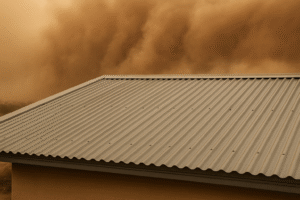
When the Sky Turns Brown, So Does Your Roof’s Health
If you live in Arizona, you’ve experienced it — the eerie calm before a haboob. The horizon darkens, the temperature drops, and within minutes, your home is engulfed in a massive wall of dust. It’s one of the most dramatic weather events in the Southwest — and one of the most damaging for your home’s roof.
These dust storms, also known as haboobs, are more than just a temporary nuisance. They’re powerful wind events that can reach speeds over 60 mph, carrying fine dust, grit, and debris that can wreak havoc on your roofing materials, gutters, vents, and flashing. Haboobs are generated by strong winds from weather fronts or thunderstorms, which lift dust and debris into the air and create these large-scale dust storms.
At Reimagine Roofing, we’ve inspected and repaired thousands of roofs across Phoenix, Mesa, Tucson, Chandler, and surrounding areas, often right after a major dust storm. Many homeowners don’t realize that the damage caused by a single event can slowly worsen over time, leading to leaks, higher energy bills, and even full roof failure.
In this comprehensive guide, we’ll cover:
- What happens to your roof during a dust storm or haboob
- The telltale signs of storm damage
- What to inspect safely after a storm passes
- When to call in professionals
- How to protect your roof against future storms
Let’s break down exactly what these powerful storms do to your roof — and how to spot the damage before it’s too late.
What Is a Haboob and Why Arizona Roofs Take the Hit
The Science Behind a Haboob
A haboob (Arabic for “blown”) forms when intense downdrafts from collapsing thunderstorms hit the desert floor. The gusts lift up sand, dirt, and debris, pushing a wall of dust that can stretch for miles and rise thousands of feet into the air.
In Arizona, these storms commonly occur during monsoon season (June through September), though smaller dust storms can appear any time strong wind fronts move through the Valley.
Why Arizona Roofs Are Especially Vulnerable
- Flat and low-pitched roofs common in the Southwest allow dust and debris to settle more easily.
- High temperatures weaken sealants, caulking, and adhesives — making wind damage worse.
- Tile and foam roofing systems, while durable, can trap dust beneath tiles or lose protective coatings under abrasive conditions.
- Monsoon rains following dust storms create a dangerous combination — debris clogs drains and gutters, causing water pooling and leaks.
Even if your roof looks fine after a haboob, small abrasions, loosened flashing, and micro-tears can silently grow into major issues.
What Happens to Your Roof During a Dust Storm
Wind Uplift
Strong gusts can lift and loosen shingles or tiles, exposing underlayment and breaking the waterproof barrier. This is one of the leading causes of leaks discovered weeks later.
Abrasion and Surface Erosion
Dust and sand particles act like tiny sandblasters, stripping away the top protective layers of shingles, tiles, and metal roofs. Over time, this leads to fading, cracking, and reduced UV protection.
Debris Impact
Branches, rocks, and other debris picked up by the storm can dent metal panels, break tiles, or puncture foam coatings. Even small impact points can lead to water intrusion when the next rain hits.
Gutter and Drain Clogging
The fine dust doesn’t just settle — it accumulates. When mixed with rain, it forms mud that clogs gutters, valleys, and scuppers, causing overflow and water pooling on the roof.
HVAC and Vent Contamination
Dust infiltrates attic vents, HVAC systems, and solar panel mounts, clogging filters and reducing ventilation efficiency.
The result? Higher energy bills, more frequent repairs, and a roof that ages years faster than it should.
10 Clear Signs of Roof Damage After a Dust Storm or Haboob
Even if your roof looks “okay” from the ground, here are key warning signs that something isn’t right. These signs can appear in both residential roofing and commercial properties, so it’s important for homeowners and business owners alike to stay vigilant. Timely roof repairs are essential for protecting your house or building from further damage.
1. Displaced or Missing Shingles or Tiles
If you notice uneven rows or bare spots, wind uplift likely loosened the materials.
Why it matters: Exposed underlayment deteriorates quickly under UV and moisture.
2. Cracked or Chipped Tiles
Clay and concrete tiles can fracture from impact or shifting debris.
Why it matters: Cracks let in water and dust, leading to underlayment rot.
3. Accumulated Dust or Mud in Roof Valleys
Roof valleys collect runoff — if they’re clogged, water can pool.
Why it matters: Standing water is a fast path to leaks and mold.
4. Damaged Flashing or Metal Edges
Wind can bend or tear flashing around chimneys, skylights, and vents.
Why it matters: These joints are your roof’s most vulnerable areas.
5. Blocked Gutters and Downspouts
Check for heavy dust, mud, or leaves in your gutter system.
Why it matters: Blocked drainage leads to fascia rot and leaks during monsoon rains.
6. Visible Dents or Surface Wear on Metal Roofs
Metal panels may show scratching, fading, or light denting.
Why it matters: Damage may compromise coatings that protect against corrosion.
7. Foam Roof Discoloration or Cracking
Foam roofs can lose their protective coating after repeated abrasion.
Why it matters: UV rays rapidly degrade exposed foam.
8. Dust Inside Your Home or Attic
If you find fine dust accumulation indoors, roof vents or seals may be compromised.
Why it matters: Indicates broken seals or entry points.
9. Uneven or Sagging Rooflines
While rare, strong storms can loosen structural elements or supports.
Why it matters: May indicate deeper structural stress.
10. Ceiling Stains or Dampness
Often appears days or weeks after a storm.
Why it matters: Suggests water penetration from minor roof breaches.
How to Safely Inspect Your Roof After a Dust Storm
After a storm passes, the first instinct is to assess the damage — but safety always comes first.
Regular roof inspections are important because they help identify potential issues early and prevent costly repairs down the line.
Here’s what homeowners can do safely from the ground or inside their homes:
Step 1: Wait Until It’s Safe
Dust storms often reduce visibility and leave slippery mud behind. Wait at least 24 hours for conditions to dry.
Step 2: Inspect from the Ground
Use binoculars or a zoom lens to check for:
- Missing or uneven shingles/tiles
- Hanging gutters or loose flashing
- Debris lodged near roof edges
Step 3: Check Inside Your Home
Look for:
- New water stains on ceilings or walls
- Damp insulation or attic odors
- Fine dust near air vents or light fixtures
Step 4: Walk the Perimeter
Look for fallen debris, broken tiles, or fragments of roofing material around the property — clear signs of roof distress.
Step 5: Call a Professional
Call a fully licensed roofing company for a professional inspection—Arizona’s heat and post-storm debris make conditions hazardous.
A certified Reimagine Roofing inspector can safely:
- Conduct a drone-based roof inspection
- Identify hidden or structural damage
- Provide a detailed photo report within 24 hours
What Different Roof Types Look Like After a Dust Storm
Different roofs show damage in different ways. Using high quality materials and quality roofing systems can help your roof withstand dust storm damage, especially in Arizona’s harsh climate where quality materials are essential for durability and long-lasting protection. Here’s how to recognize it based on your roofing system:
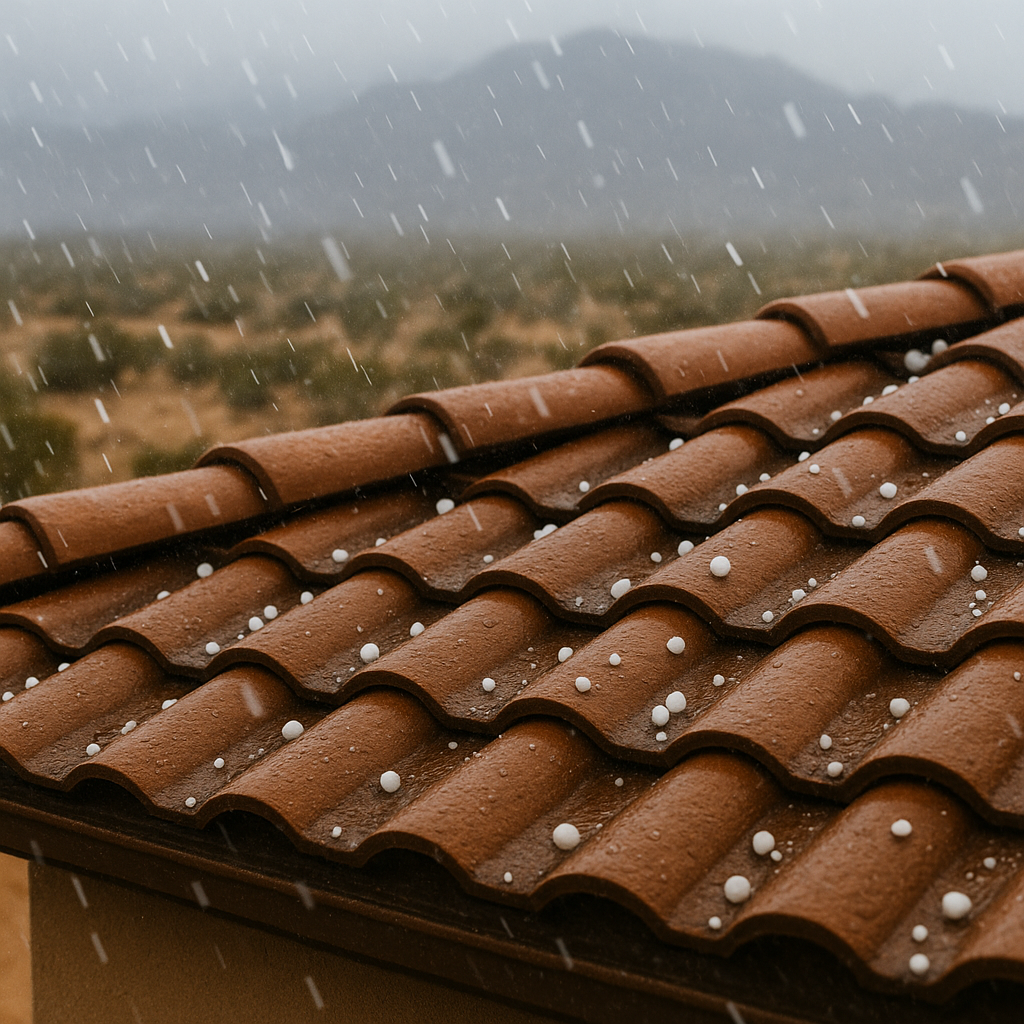
Tile Roofs
- Look for cracked tiles or displaced ridge caps.
- Dust buildup beneath tiles can trap moisture — visible as dark patches.
- Loose mortar around hip and ridge tiles signals movement.
Asphalt Shingle Roofs
- Granule loss appears as shiny patches.
- Edges may curl or lift, especially near eaves.
- Dust can discolor or dull the shingles over time.
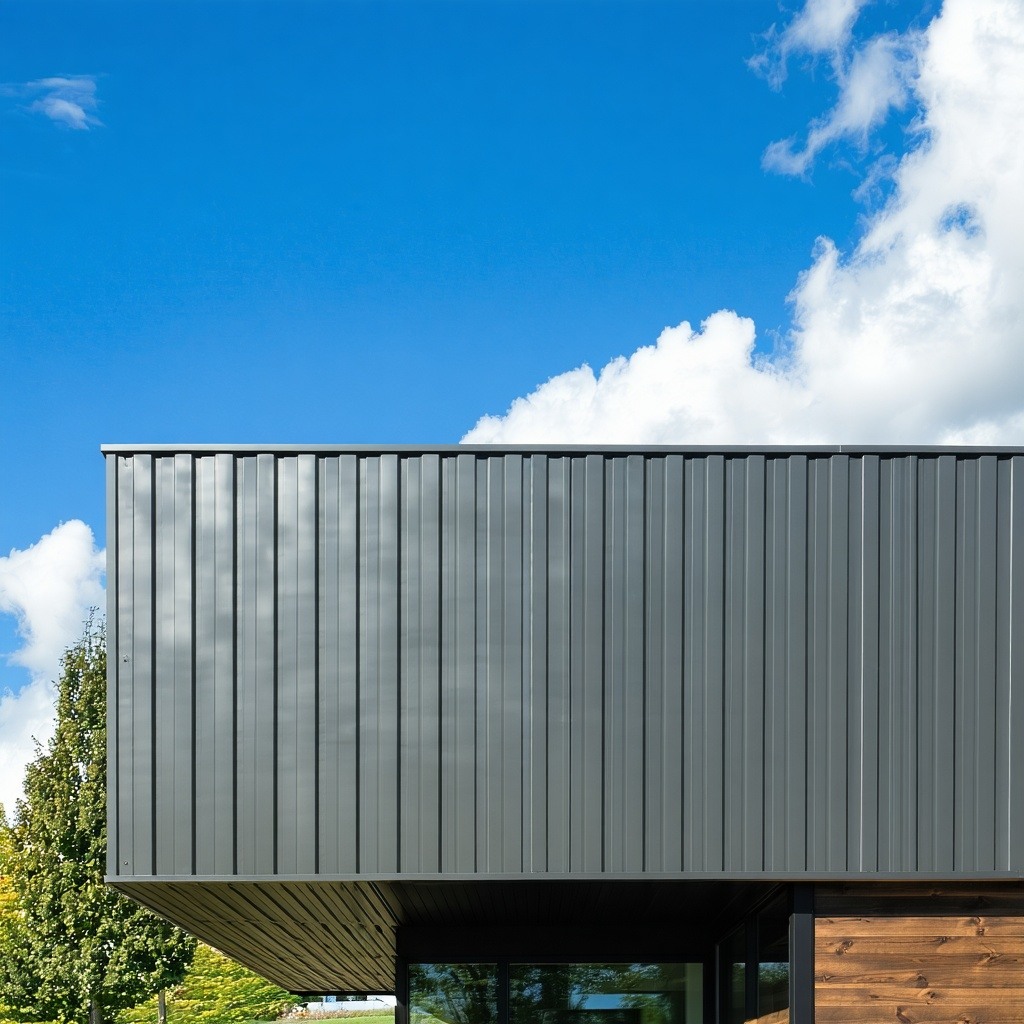
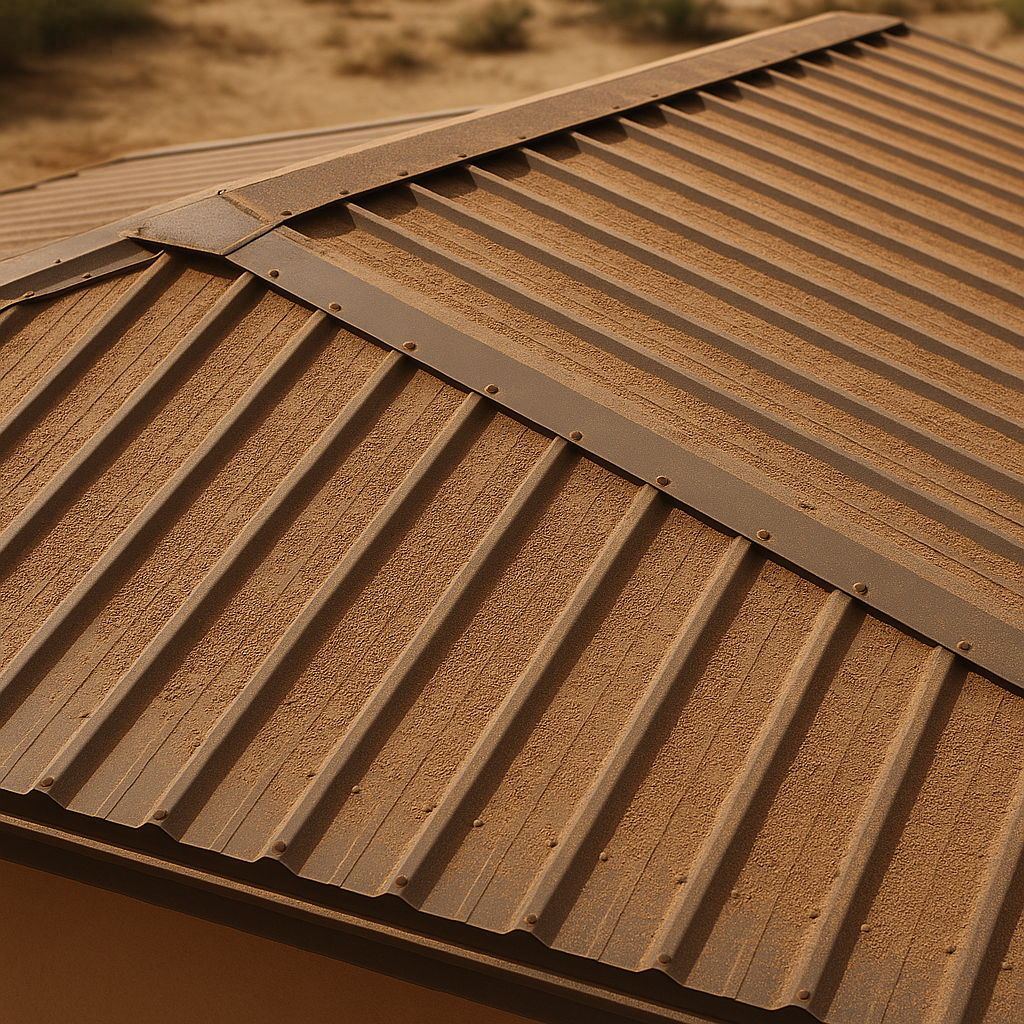
Metal Roofs
- Check for scratches or bent seams along fasteners.
- Debris impact can dent softer metal panels.
- Coating chalking (white powdery residue) indicates UV erosion.
Foam Roofs (SPF)
- Surface looks patchy or discolored.
- Small cracks or blistered areas indicate coating failure.
- Debris punctures can expose foam to UV degradation.
Each type requires a unique inspection process — something Reimagine Roofing’s specialists are trained to handle precisely.
Why You Should Never Ignore Post-Storm Roof Damage
It’s easy to underestimate what a little wind and dust can do. But ignoring the early signs often leads to expensive consequences later.
1. Minor Damage Grows Quickly
Tiny cracks expand under the intense Arizona sun. Within months, UV rays break down exposed underlayment, leading to leaks.
2. Water Finds a Way
Monsoon rains following a dust storm often reveal the first leak — by then, the damage has already spread.
3. Reduced Roof Lifespan
Every storm accelerates wear and tear. Without maintenance, a 30-year roof can fail in 15.
4. Energy Efficiency Drops
Dust-clogged vents and worn coatings reduce reflectivity, increasing cooling costs.
5. Insurance Claims Can Be Denied
Waiting too long after a storm to report damage can result in denied coverage due to “delayed maintenance.”
Pro tip: Always schedule a post-storm roof inspection within 1–2 weeks of a major dust event.
How Reimagine Roofing Identifies and Repairs Storm Damage
At Reimagine Roofing, we’ve developed a specialized process to handle Arizona’s dust storm and haboob damage. Our team’s dedication and commitment to delivering exceptional service and customer satisfaction set us apart from other roofers in the area.
Each project begins with a thorough inspection by our experienced roofers, who assess the extent of the damage and provide a clear plan for repairs. Our team manages every step of the project, ensuring the job is completed with professionalism and attention to detail. The dedication of our team shines through in every project, from the initial consultation to the final repairs, reflecting our unwavering commitment to quality and customer satisfaction.
Step 1: Comprehensive Drone Inspection
Our advanced drones capture 4K imagery of your entire roof — identifying cracks, missing materials, and debris buildup without risking safety.
Step 2: Infrared Moisture Scanning
Hidden water intrusion can’t always be seen. We use infrared technology to detect trapped moisture under tiles, shingles, or foam layers.
Step 3: Detailed Damage Report
You’ll receive a digital report showing:
- Photographs of affected areas
- Severity levels
- Repair or replacement recommendations
- Insurance-ready documentation
Step 4: Targeted Repair or Restoration
Our licensed technicians repair or recoat only what’s needed — saving you money while extending your roof’s life. We can also fix issues such as holes or punctures in the roof to ensure your home stays protected.
We specialize in:
- Tile replacement and underlayment repair
- Foam recoating with UV-protective silicone
- Flashing and sealant renewal
- Gutter and drainage cleaning
Step 5: Preventive Coatings and Maintenance Plans
We apply reflective, dust-resistant coatings to reduce future wear and offer annual maintenance plans to catch small issues before they grow.
Prevention: Protecting Your Roof from Future Dust Storms
You can’t stop a haboob — but you can make your roof more resilient. Preventive measures are especially important due to Arizona’s unique climate, which presents challenges for roof durability and energy efficiency.
1. Schedule Regular Roof Inspections
Professional inspections every 6–12 months ensure issues are caught early. Reimagine Roofing offers free seasonal checkups.
2. Keep Gutters and Roof Clear
Clear gutters and drains before monsoon season. Dust buildup becomes mud during the first rain, creating clogs and pooling.
3. Seal and Recoat Foam Roofs
Recoat every 5 years with UV- and dust-resistant silicone or elastomeric coatings.
4. Maintain Tile Roof Underlayment
Tile underlayment is often the first line of defense. Replace it every 20–25 years before it becomes brittle.
5. Install Protective Flashing and Edge Seals
Wind-resistant flashing and adhesive sealing prevent uplift and dust infiltration.
6. Use Reflective or “Cool Roof” Materials
Modern coatings reduce UV absorption, keeping materials flexible and resistant to cracking.
7. Trim Nearby Trees
Branches can become dangerous projectiles during high winds. Maintain clearance around your roof perimeter.
Real Arizona Case Study: Hidden Haboob Damage in Phoenix
Homeowner: Sarah M., Phoenix, AZ
Roof Type: Clay tile with foam underlayment
Storm Event: July 2024 dust storm
This case is an example of how a timely inspection and repair can prevent costly repairs and further damage.
After a major haboob, Sarah noticed fine dust inside her attic and higher summer energy bills. She assumed it was just from poor insulation.
Reimagine Roofing’s inspection revealed:
- Displaced ridge tiles
- Cracked flashing near her vent stacks
- Foam underlayment exposed and sun-damaged
Solution:
We replaced 12 broken tiles, resealed flashing, and applied a reflective silicone coating to protect against future UV and dust exposure.
Result:
Sarah’s roof regained full integrity, attic temperatures dropped by 15°F, and her cooling bills decreased by 20%.
A simple post-storm inspection saved her thousands in potential repairs.
Why Reimagine Roofing Is Arizona’s Dust Storm Specialist
We live and work where you do — and we’ve built our services around the unique weather patterns of the Southwest.
What Sets Us Apart
- Licensed, insured, and locally owned
- Certified experts in tile, foam, and metal roofing systems
- Drone-based inspections and digital photo reports
- Industry-leading warranties
- Rapid storm response teams across Arizona
Our roofing company began with just a couple people, a single truck, and a small office, all driven by a definitive vision for quality and service. Fast forward to today, we are a fully licensed, close knit team proudly serving Arizona.
Whether your roof faces a minor dust storm or a record-breaking haboob, we’re the first call homeowners make for peace of mind and professional protection.
The Cost of Post-Storm Neglect vs. Preventive Action
| Action | Average Cost | Long-Term Impact |
|---|---|---|
| Minor roof repair after storm | $300–$800 | Prevents larger damage |
| Roof recoating (foam/silicone) | $1,000–$2,500 | Extends life by 10+ years |
| Ignoring damage, full replacement with new roof later | $12,000–$25,000 | Major avoidable expense |
Spending a few hundred dollars now can save you tens of thousands later — and extend your roof’s lifespan by decades.
The Calm After the Storm Shouldn’t Fool You
Dust storms and haboobs are a part of life in Arizona, but they don’t have to spell disaster for your roof. The key is vigilance — knowing what to look for, acting quickly, and trusting experts who understand desert roofing systems.
Your roof might survive a storm — but only a professional inspection can confirm whether it’s still truly sound.
Get Your Free Post-Storm Roof Inspection from Reimagine Roofing
If your home was recently hit by a dust storm or haboob, don’t wait for leaks or energy spikes to reveal hidden damage.
Let Reimagine Roofing provide a comprehensive, free inspection and photo report so you can rest easy knowing your roof is secure.
Our Promise:
- Free drone inspection within 24 hours
- Detailed photo and moisture report
- Expert repairs for all roof types
- Lifetime workmanship warranty
Schedule your free roof inspection today — and protect your home before the next storm hits.
Reimagine Roofing — Smarter roofs. Stronger homes. Peace of mind.
Popular Posts