What 115°F Days Do to Asphalt Shingles in AZ
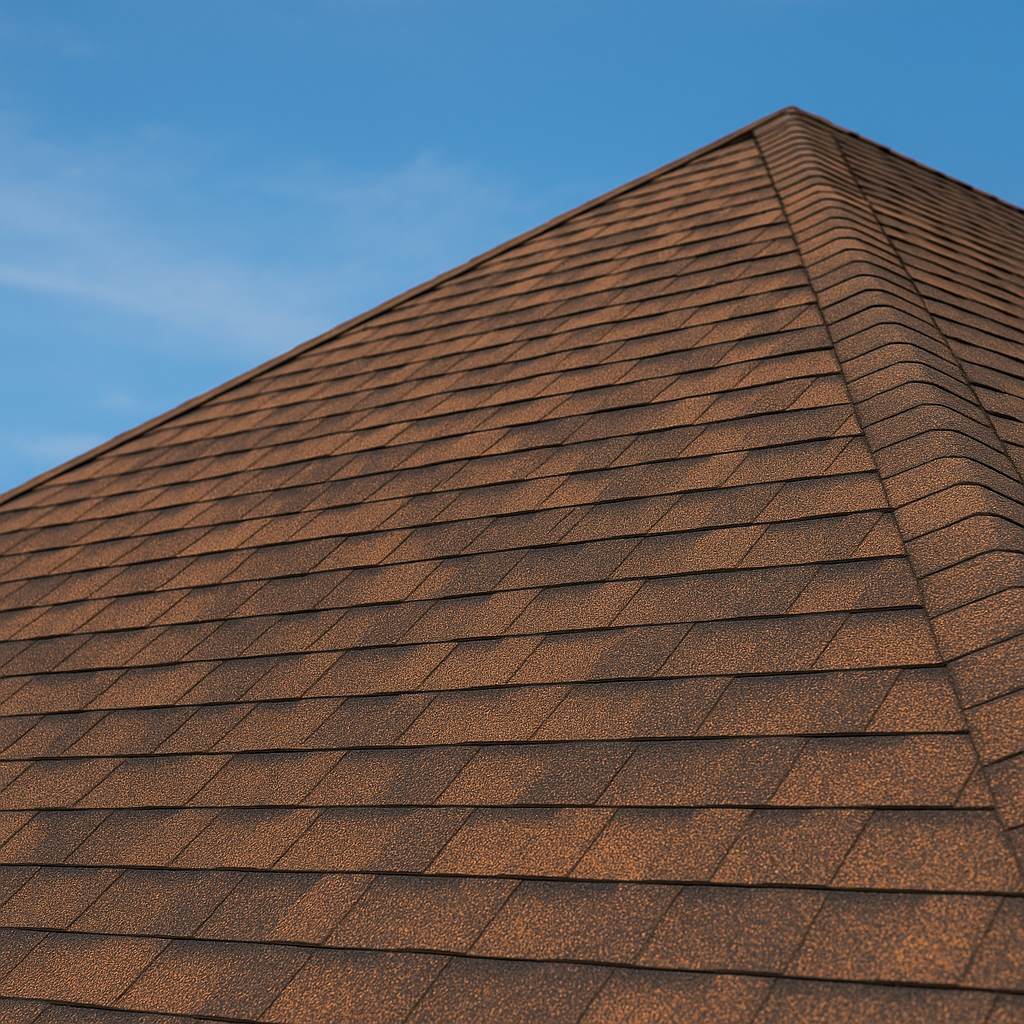
What 115°F Days Do to Asphalt Shingles in AZ
Arizona Heatwaves Are Back: What 115°F Days Do to Asphalt Shingles (and How to Stop the Damage)
A Reimagine Roofing Homeowner Guide for Phoenix, Tucson, Mesa, Scottsdale, Glendale — and Every Hot Corner of AZ
Arizona’s Heat Isn’t Just Uncomfortable — It’s a Roof-Aging Machine
If you live in Arizona, you don’t need a meteorologist to tell you summer is intense. When the forecast says 115°F, most of us think about AC bills, car seats that could double as griddles, and the daily sprint from shade to shade.
But there’s another part of your home that takes the heat harder than anything else:
your roof.
Arizona heatwaves are not rare events anymore — they’re a recurring season. Severe heatwaves can lead to heat-related deaths, and many people have died during extreme heat events in Arizona. Long stretches of triple-digit days are becoming normal in cities like Phoenix and Tucson. These dangerous conditions now occur more frequently and with greater intensity. That matters because when the air is 115°F, the surface of an asphalt shingle roof can soar into the 170–195°F range.
Roofs absorb heat, radiate it into your attic, and bake in high UV day after day. The result?
- Asphalt shingles age 40–60% faster in Arizona than in mild climates
- Roofs lose granules, crack, curl, and leak earlier
- Attics turn into furnaces, pushing your AC to run longer
- Homeowners pay for premature repairs or replacements
- Many roofs look “fine” from the street right up until they fail
Extreme heat can have serious consequences, including the risk of heat-related death, especially during prolonged heatwaves. It’s important to take care to protect vulnerable individuals, such as the elderly and children, during these periods.
This guide explains exactly what 115°F heat does to asphalt shingles, why Arizona’s UV exposure makes it worse, and — most importantly — what you can do to stop the damage before it gets expensive.
What 115°F Really Means for Your Roof
Let’s start with a key reality:
Roof temperature is not the same as air temperature.
On a clear Arizona afternoon:
- Air temp: ~115°F
- Medium/dark asphalt shingles: typically 170–195°F
- Light/cool shingles: often 150–170°F
- Metal/cool roof systems: can stay 30–60°F cooler
In July, Arizona often experiences its highest observed temperatures, with many temperature records having been observed and documented during this month.
Arizona’s sun is relentless, and roof materials absorb that energy directly. Even a “normal” summer day produces shingle temps hot enough to accelerate chemical breakdown.
If your roof is dark, low-slope, or has poor ventilation, it runs even hotter.
The 3 Ways Heatwaves Destroy Asphalt Shingles
Asphalt shingles are engineered for weather, but they’re not engineered for months of near-constant 170°F baking. Repeated exposure to extreme heat causes shingles to develop cracks, brittleness, and other forms of damage over time.
In Arizona heatwaves, shingles fail through three overlapping processes:
A) Thermal Oxidation (Heat-Driven Drying)
Asphalt contains oils that keep shingles flexible. Extreme heat causes these oils to rise and evaporate. Over time, shingles become:
- dry
- brittle
- less elastic
- more crack-prone
This is why Arizona roofs “look old” so early.
B) UV Photodegradation (Sunlight Breaking Molecular Bonds)
Arizona’s UV intensity is extreme. UV rays break down the asphalt’s molecular structure, causing:
- surface chalking
- fading
- micro-cracking
- faster oil loss
- accelerated granule shedding
UV damage is invisible at first, then suddenly obvious.
C) Thermal Cycling (Day-Night Expansion and Contraction)
In the desert, temperatures swing hard:
- daytime roof temps at 180°F+
- nighttime temps often 85–95°F
That expansion-contraction cycle happens hundreds of times per season, forcing shingles to flex beyond their design limits. Seal strips fatigue, nails loosen, and edges begin to lift.
What Happens to Asphalt Shingles Over 5 Years in Arizona Heat
Even if you chose a “30-year” architectural shingle, Arizona heat compresses the aging timeline. Previous years of intense heat exposure can accelerate the deterioration process, making roofs age faster than expected.
Here’s a realistic desert-roof progression:
Years 1–2: Early Heat Stress
You may not notice anything yet, but internally:
- oils begin evaporating faster
- UV slowly weakens asphalt
- granules start loosening
- attic temps creep up
Homeowner clue: your AC runs longer in late afternoon.
Years 3–4: Visible Degradation Begins
Now you may see:
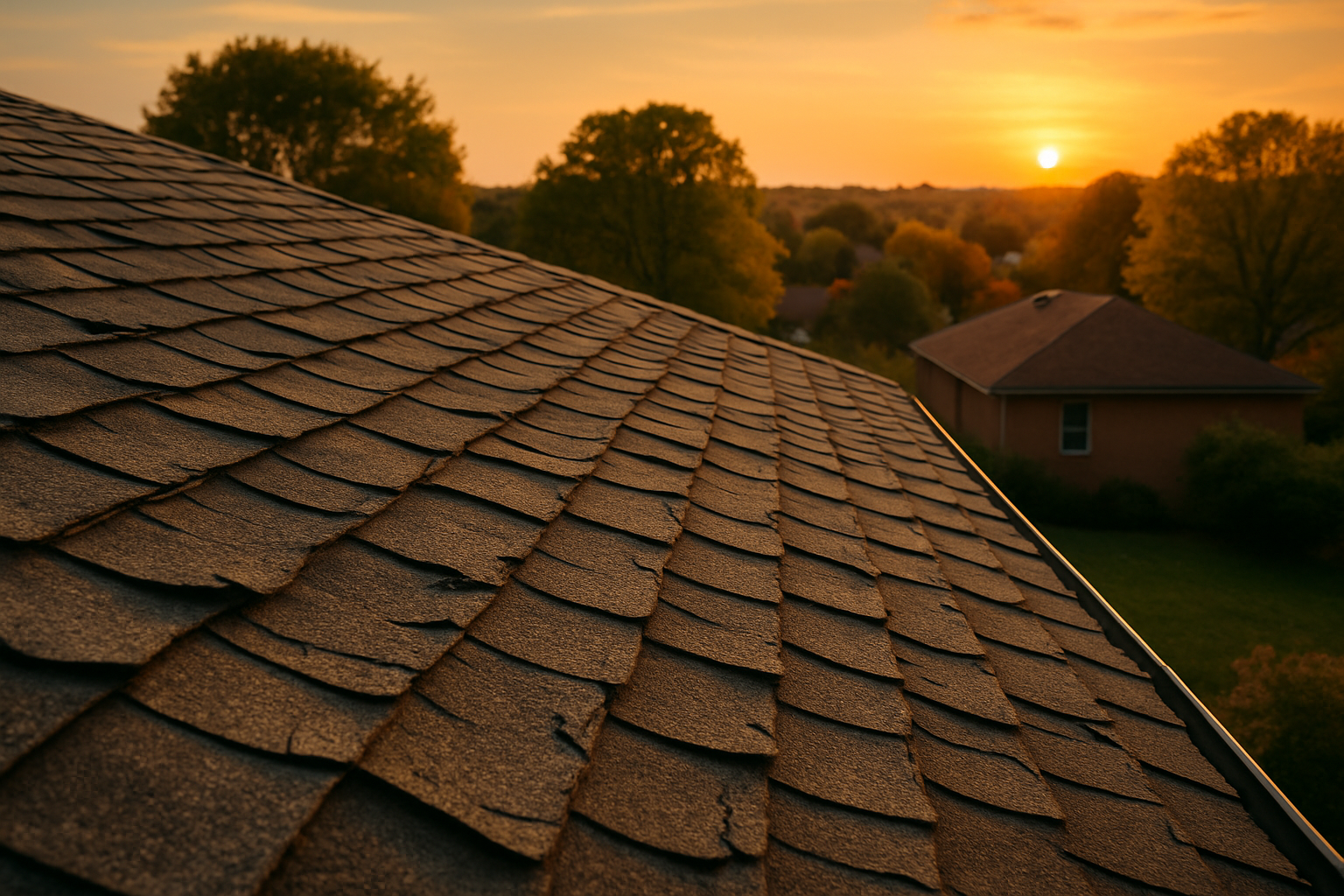
- color fading on south and west slopes
- granules in gutters
- slight curling at edges
- softened seal strips
This is when monsoon winds can suddenly create missing shingles.
Year 5: Premature Aging Becomes Obvious
By year five, many Arizona roofs show:
- bald or thin granule areas
- cracking in shingle faces
- curling/cupping
- brittle shingles that snap easily
- seal strip failure
- early leaks at valleys, vents, and flashing
In Arizona, many “25- to 30-year” asphalt roofs realistically last 12–18 years, depending on shingle quality and ventilation.
Why Arizona Roof Heat Damage Is Worse Than Other Hot States
Florida and Texas get hot. But Arizona is uniquely punishing for asphalt shingles. Arizona’s climate is among the most extreme in the country, making it a unique challenge for homeowners.
Reason 1: Higher and More Persistent UV
Clear desert skies allow UV to hit your roof at full intensity almost every day.
Reason 2: Longer Heat Season
Triple-digit weather arrives earlier, stays longer, and pushes roofs through more high-heat days each year.
Reason 3: Urban Heat Island Effects
In Phoenix-area neighborhoods, buildings and pavement hold heat overnight. Your roof never fully cools, which increases stress.
Reason 4: Dust + Wind + Monsoons
Dust storms grind shingles. Monsoon outflows rip at weakened seal strips. Heat-softened shingles are more vulnerable to sudden wind uplift.
The Hidden Costs Homeowners Feel First
Before homeowners see roof damage, they feel it inside the home. Extreme indoor heat can also impact food safety, as higher temperatures may cause food to spoil more quickly.
1) Higher Cooling Bills
Hot roof → hot attic → longer AC run time.
When attic temps hit 140–160°F, your insulation can’t keep up. Cooling bills often jump 10–30% from roof heat alone.
2) Uneven Indoor Temperatures
Rooms under sun-facing slopes become hotter and harder to cool.
3) HVAC Wear
When AC systems run longer, they fail sooner. Compressors and motors wear out faster.
4) Earlier Roof Replacement
A roof expected to last 25 years needing replacement at 13 years is a major lifetime cost.
Signs Your Roof Is Heat-Damaged (Even If It’s Not Leaking Yet)
Arizona heat damage shows up in predictable ways. Look for:
- excessive granules in gutters or downspouts
- faded shingles on south/west slopes
- curling, cupping, or “clawing” shingles
- hairline cracks
- bald spots where granules are missing
- soft blistered areas
- nail pops
- loose shingles after monsoon gusts
If your roof is 5–10 years old and showing this, heat is accelerating decline.
The Importance of Proper Roof Installation in Arizona Heat
When it comes to living in Arizona, the heat isn’t just a seasonal inconvenience—it’s a constant force that can make or break the integrity of your roof. As climate change drives more frequent and intense heat waves, the stakes for homeowners and businesses have never been higher. Proper roof installation is not just a matter of curb appeal or property value; it’s about protecting your family, your investment, and your peace of mind.
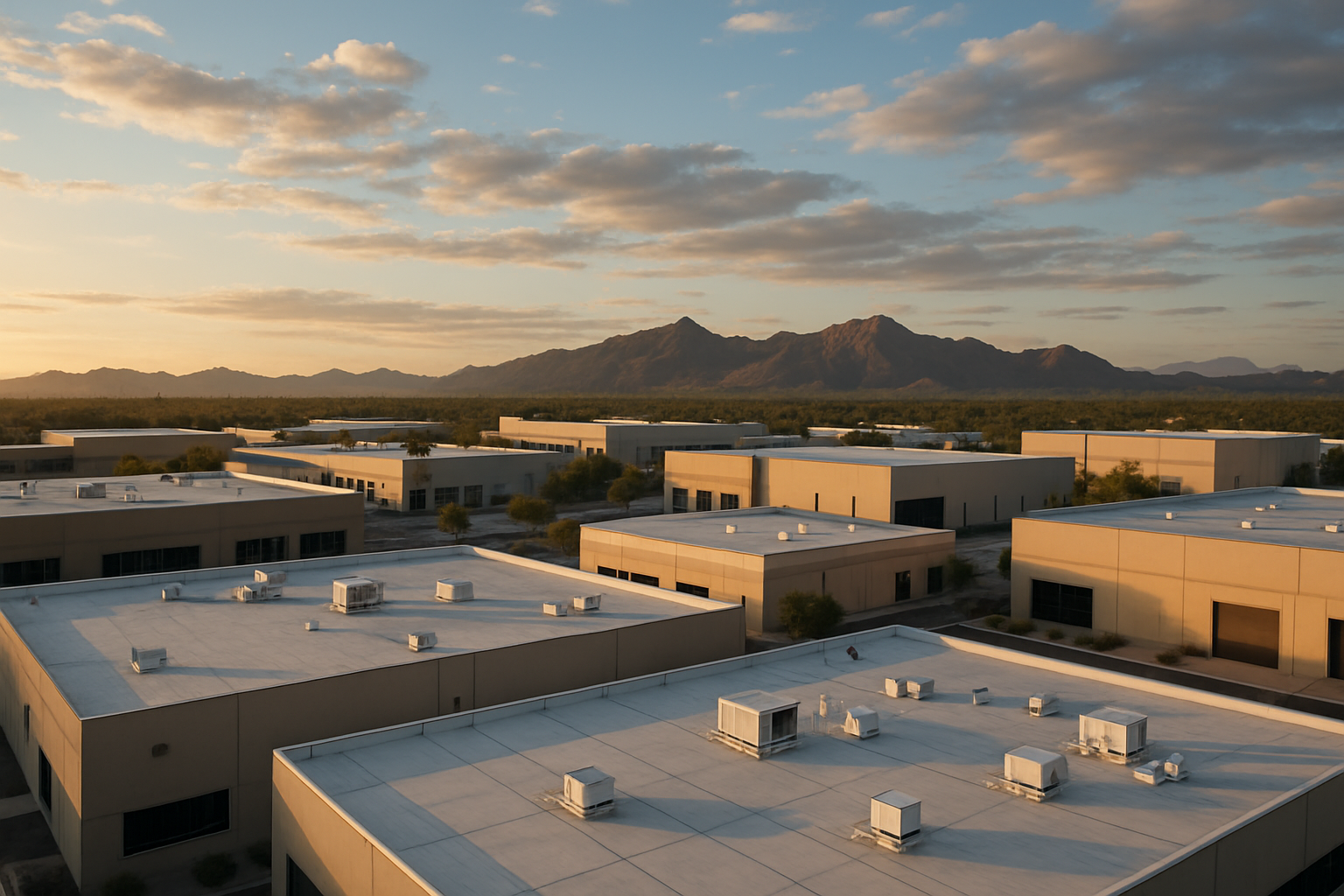
A new roof is a significant investment, but in Arizona’s extreme climate, it’s an essential one. The right installation can extend the life of your roof, improve energy efficiency, and shield your property from the dangerous symptoms of heat exposure. Flat roofing has become increasingly popular in cities like Mesa and across the region, offering a modern look and the durability needed to withstand relentless sun. Foam roofing is another industry favorite, providing superior insulation and helping to reduce heat gain—an important factor in keeping your home or business cool and safe.
Consequences of Poor Installation
The consequences of poor installation can be severe. Inadequate workmanship can lead to leaks, swelling, and even structural complications that put vulnerable populations—like children and the elderly—at risk. Heat-related symptoms can quickly escalate, especially when a roof fails to provide proper protection. That’s why it’s crucial to work with contractors who understand the unique challenges of Arizona’s climate and are committed to quality at every step.
Regular maintenance is just as important as the initial installation. By scheduling routine inspections and addressing repairs promptly, homeowners can prevent minor issues from developing into widespread damage. Quality contractors use the latest equipment and materials, ensuring that your roof is ready to handle the next heat wave. Look for businesses with strong reviews, a proven track record, and a clear commitment to customer satisfaction.
As Arizona’s cities continue to grow, the demand for reliable roofing services has surged. The best contractors in the industry have risen to meet this challenge, offering tailored solutions that address the specific needs of the region. Whether you’re considering a new roof, flat roofing, or foam systems, choosing the right team can make all the difference in extending the life of your roof and protecting your property.
In the end, proper roof installation is about more than just shingles and nails—it’s about safeguarding your home, your family, and your future. By prioritizing quality, maintenance, and expert guidance, Arizona homeowners can face even the most intense heat waves with confidence. The right team, equipped with the best materials and a commitment to excellence, will ensure your roof stands strong for years to come.
How to Stop the Damage: The Arizona Roof Protection Playbook
Here’s what actually works in desert climates. While these strategies cannot guarantee total immunity from heat damage, they greatly improve your roof’s resilience.
Step 1: Upgrade to UV-Resilient, Impact-Resistant Shingles
Not all asphalt shingles are equal. Desert-rated shingles use:
- modified asphalt for heat flexibility
- stronger fiberglass mats
- UV-reflective granules
- higher wind performance
These can last 2–3× longer in Arizona than basic 3-tab shingles.
Step 2: Choose Cool Roof Shingles
Cool shingles reflect more sunlight and release heat better, cutting shingle temps by 20–40°F.
That reduces:
- oxidation
- UV breakdown
- thermal fatigue
- attic heat load
Step 3: Fix Attic Ventilation
Ventilation is huge in Arizona.
Proper airflow:
- removes trapped heat
- lowers attic temps
- slows shingle bake time
- protects underlayment
A redesigned ventilation system can extend roof life years.
Step 4: Improve Insulation (After Ventilation)
Insulation doesn’t stop heat from forming. But once ventilation lowers attic temps, insulation becomes far more effective.
Step 5: Consider Reflective Coatings (Where Appropriate)
On certain low-slope areas, coatings can:
- block UV
- reduce heat absorption
- extend roof life 5–10 years
Step 6: Schedule Annual Heat-Season Inspections
The best time to catch heat damage is before monsoon season. Small repairs early prevent big failures later.
Best Roofing Options for Arizona Heatwaves
If you’re repairing or replacing soon, these options perform best:
| Roofing Option | Durability | Heat Resistance | Lifespan |
|---|---|---|---|
| Architectural Shingles | High | Moderate | 20-30 years |
| Cool Roof Shingles | Moderate | High | 15-25 years |
| Tile Roofing | Very High | High | 40-50 years |
| Metal Roofing | High | Very High | 40-70 years |
This table provides a clear comparison of the main roofing options based on durability, heat resistance, and lifespan.
1) Premium Architectural Shingles (UV-Resilient)
Great standard look with desert durability.
2) Cool Roof Shingles
Same style, lower temp, better savings.
3) Tile Roofing
Handles heat brilliantly and is common across AZ.
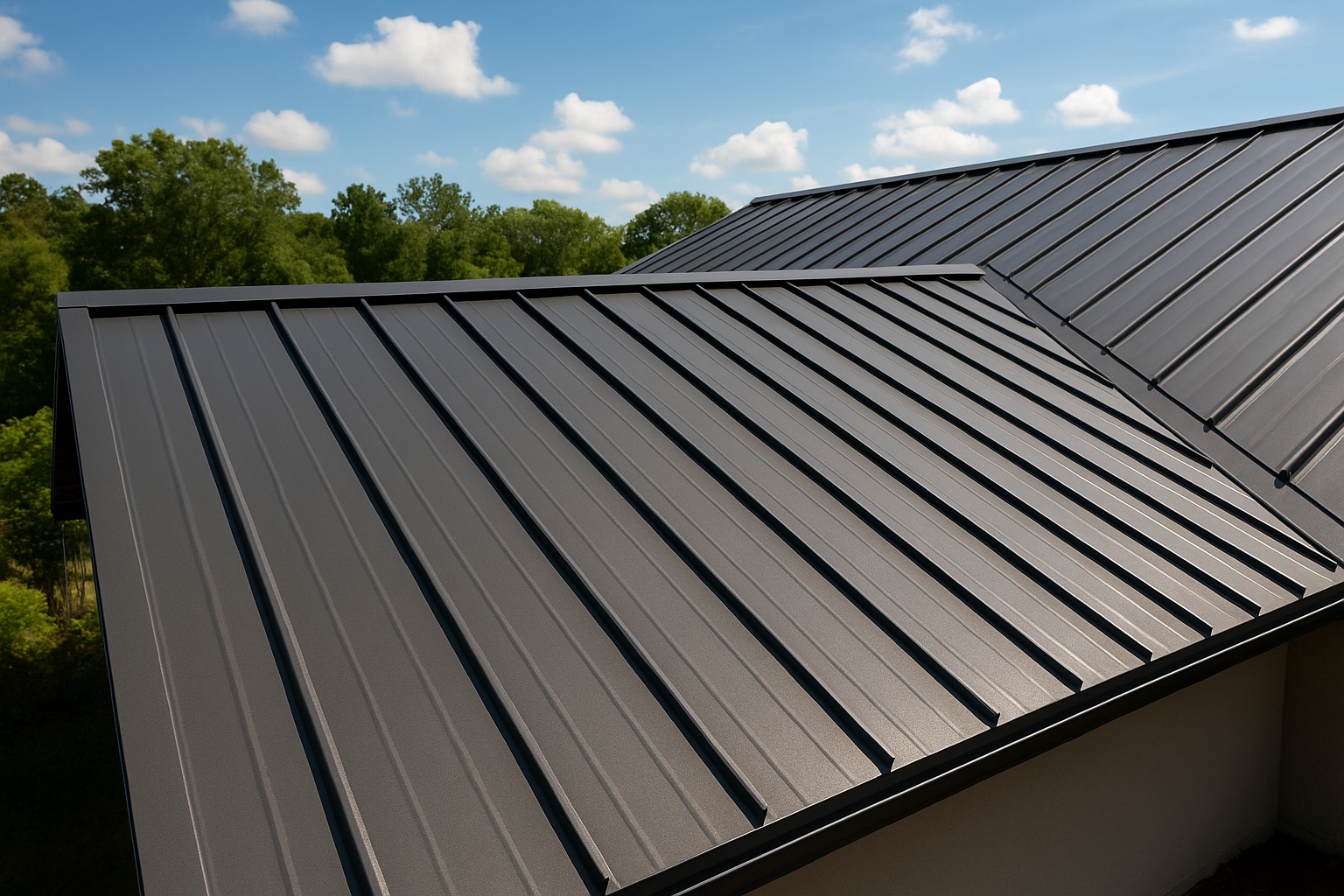
4) Metal Roofing
The heat champion:
- stays much cooler
- resists UV breakdown
- lasts 40–70 years
Reimagine Roofing helps you compare these based on budget, style, and HOA rules.
Arizona vs. Nearby Southwest States (Quick Comparison)
Heat damage affects the whole Southwest, but Arizona remains the toughest baseline:
- AZ: longest heat season + highest UV + urban heat island + large and growing population increases demand for durable roofing solutions
- NV: similar heat, slightly shorter season
- NM: high UV from elevation + bigger day/night swings
- UT: desert heat in the south, cooler in the north
- CA deserts: intense heat, less wind-driven monsoon stress
If a shingle system performs in Arizona, it typically performs well everywhere else in the region.
What Most Roofers Don’t Tell Arizona Homeowners
Many roofs fail early because of installation choices that ignore desert realities. A quality roofing job is essential to withstand Arizona’s extreme conditions and ensure long-term performance.
Avoid these common mistakes:
- installing low-grade shingles
- skipping premium underlayment
- poor ventilation planning
- choosing dark colors with no thermal strategy
- roofing over old layers
- using low-quality flashing that warps in heat
A real Arizona roof isn’t just shingles — it’s a heat-resilient roofing system.
How Reimagine Roofing Builds Roofs for Arizona Heatwaves
Reimagine Roofing, founded in Arizona, specializes in extreme-climate roofing. Our years of experience in the state have shaped our unique approach to building roofs that withstand the harshest conditions.
Our Arizona approach includes:
- desert-rated shingle selection
- cool-roof reflectivity planning
- high-performance underlayment
- wind-ready fastening patterns
- ventilation engineered to reduce attic heat
- full roof heat and UV inspections
- honest repair vs. replace guidance
- fast quotes in under 24 hours
We don’t install “generic roofs.” We install Arizona roofs designed to survive 115°F summers.
Heatwaves Are Back — But Roof Failure Doesn’t Have to Be
Extreme heat is now part of Arizona life, and it quietly destroys asphalt shingles long before most homeowners see a leak. With the rapid growth of Arizona’s cities, durable roofing solutions are more important than ever.
The good news? You’re not powerless.
With the right materials, ventilation, and inspections, you can:
- extend roof lifespan
- cut cooling costs
- prevent monsoon blow-offs
- avoid emergency replacements
- protect home value
Get a Free Arizona Heat-Damage Roof Inspection
If your roof is 5+ years old, or your cooling bill keeps climbing, it’s time for a professional heat-damage check—available for both residential properties and businesses.
Reimagine Roofing offers a FREE Arizona Roof Assessment, including:
✅ Roof surface condition check
✅ Granule-loss and brittleness evaluation
✅ Ventilation and attic heat analysis
✅ Flashing and seal integrity inspection
✅ Monsoon wind-risk review
✅ Clear repair vs. replacement plan
✅ Fast quote — same day or under 24 hours
Schedule your free inspection today.
Request your fast quote online now, get quotation in less than 24 hrs.
Arizona heatwaves aren’t slowing down. Let’s make sure your roof is ready for every one of them.
Reimagine Roofing — Arizona’s heat-resilient roofing experts.
Popular Posts