Best Roof Materials For Utah Homes: Snow, Sun, And Hail Tested
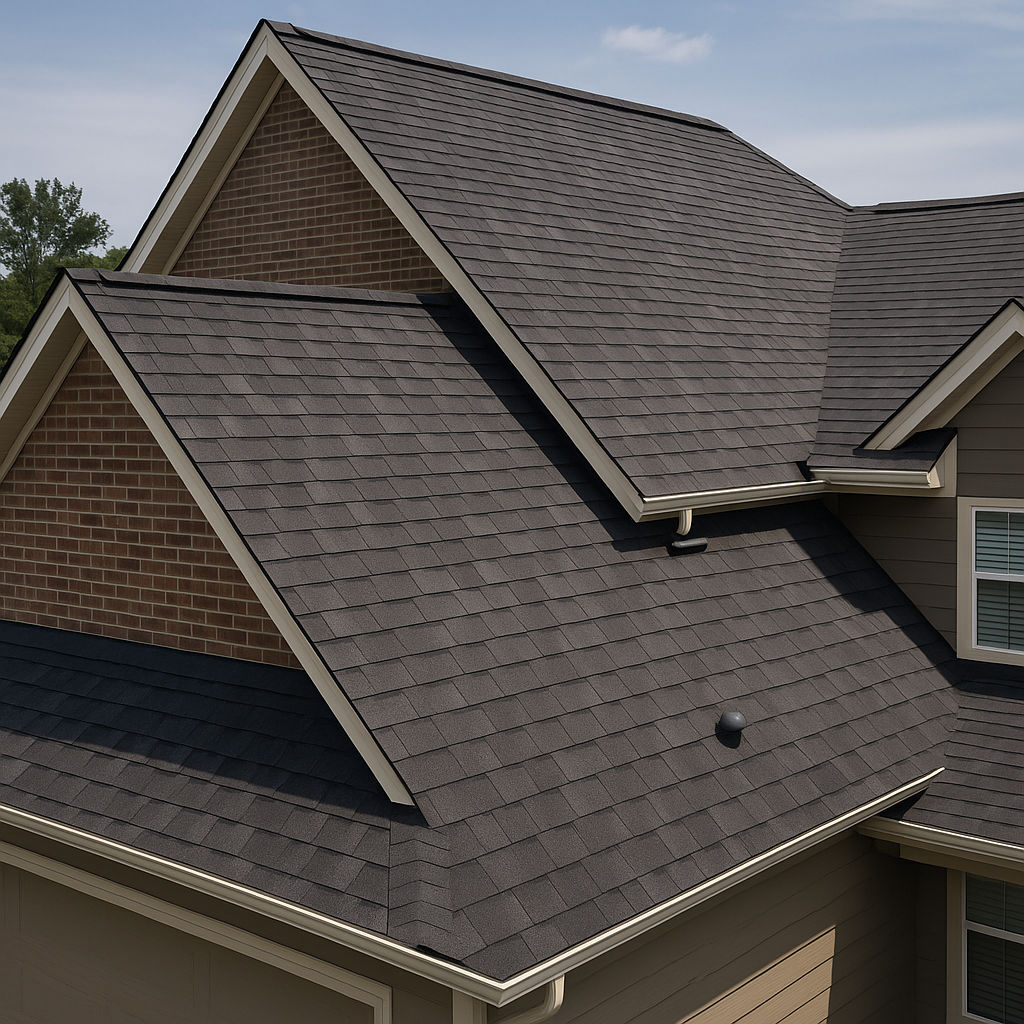
Best Roof Materials For Utah Homes: Snow, Sun, And Hail Tested
Best Roof Materials For Utah Homes In 2025 : Snow, Sun, And Hail Tested
A Climate-Smart Guide For Utah Homeowners By Reimagine Roofing
Utah is one of the most beautiful places in the country to live—and one of the hardest places on a roof. For thousands of years, people have settled in Utah, and today, ongoing growth continues to shape its communities and housing needs.
In a single year, your home can see heavy mountain snow, intense high-altitude sun, wind gusts that rip through valleys, hailstorms that show up without warning, and temperature swings big enough to stress any roofing system.
That’s why choosing a roof in Utah isn’t just about looks or budget.
In 2025, material selection matters more than ever. Many Utah homeowners are replacing older roofs after repeated storm years, rising insurance scrutiny, and clear signs that “standard shingles” don’t always hold up in Utah’s climate. If you’re asking:
- “What’s the best roof for Utah climate?”
- “Metal vs asphalt Utah—what’s worth it?”
- “Should I upgrade to impact-resistant shingles?”
You’re in the right place.
This guide is built to help you choose the best roof material for your Utah home in 2025—tested against Utah’s three biggest roofing stressors: snow, sun, and hail. We’ll cover what lasts, what fails, what costs more upfront (but saves later), and which options make sense for different parts of the state.
And when you’re ready, Reimagine Roofing is here to help with a free inspection and a fast, clear quote—so you know exactly what your home needs.
Why Utah Roofing Is Different From Almost Everywhere Else
Let’s start with the “why.” Utah roofs face a rare combo of climate pressures that most states don’t deal with all at once: heavy snowfalls often occur in late fall through early spring, while hailstorms tend to occur during the late spring and summer months.
1) Snow Load And Ice Dams
Utah winters aren’t just cold—they’re heavy. Many areas regularly see deep snow accumulation. That weight matters, especially on older homes or complex rooflines. Even more damaging than the weight is what comes after: melting during daytime sun, refreezing at night, and ice dam formation along eaves and valleys.
Ice dams force water backward under shingles. If your roof system doesn’t have the right ice-barrier protection and ventilation, that meltwater ends up in your attic, causing a leak and water damage.
2) High-Altitude UV Exposure
Utah gets some of the strongest UV in the country thanks to elevation and low humidity. UV doesn’t just fade shingles—it breaks down asphalt binders, dries out sealants, and causes premature cracking. Roof materials that last 30 years elsewhere often age much faster here. The extent of UV-related wear is typically assessed during professional roof inspections.
3) Hail And Wind Events
Utah hail season is real. Spring and summer storms in many counties (especially along the Wasatch Front and Utah County corridor) regularly produce hail capable of bruising shingles, denting metal, and breaking brittle materials. Wind-driven rain makes the damage worse.
4) Big Temperature Swings
It might be 95°F in the afternoon and 55°F at night in the summer. In winter, daytime sun can warm a roof just enough to melt snow while the air stays freezing. Every expansion and contraction cycle stresses shingles, fasteners, sealants, and flashing.
Bottom line: Utah destroys roofs through accumulated stress, not just one big event. So your material choice needs to play defense all year.
What A “Utah-Proof” Roof Needs
When we evaluate roof materials for Utah, we’re looking for five performance traits:
- Snow Performance
- resists heavy load
- sheds snow cleanly
- supports ice-barrier systems
- holds up through freeze-thaw
- Sun/UV Resistance
- doesn’t dry out fast
- maintains flexibility
- preserves adhesive seals
- Hail Resistance
- impact rated (Class 3 or Class 4)
- doesn’t fracture easily
- protects decking under hits
- Wind Durability
- strong fastening tolerance
- good edge sealing
- stable in gusty microclimates
- Moisture And Ventilation Compatibility
- works with Utah’s attic moisture patterns
- supports balanced vent systems
Professional roofing services are crucial for proper installation and long-term performance of roof materials in Utah, ensuring these key traits are met.
With that in mind, let’s compare the top roof materials for Utah homes.
1. Architectural Asphalt Shingles (The Utah Standard—When Upgraded)
Best for: most suburban Utah homes, balanced budget/performance
Typical Utah lifespan: ~18–25 years (depends heavily on quality + ventilation)
Why homeowners choose it: affordability, style options, easy repairs, and long-term money savings
Asphalt shingles remain Utah’s most common roof type, and for good reason: they’re accessible, cost-effective, and fit most home structures without reinforcement. Choosing the right architectural shingle can save you money on future repairs and replacements, making it a smart investment for homeowners.
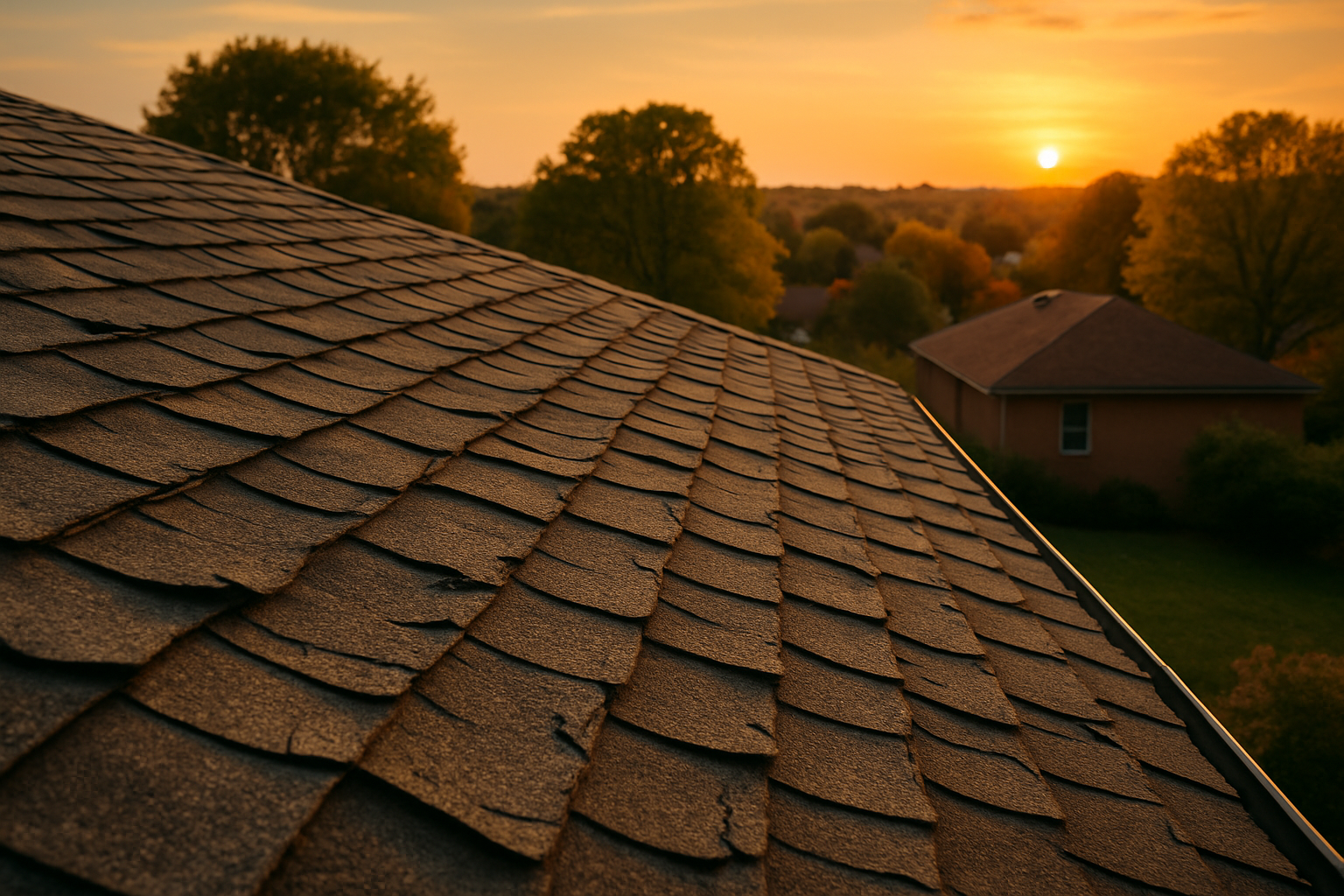
But here’s the truth in 2025: not all asphalt shingles are equal in Utah. Standard basic 3-tab shingles often fail early here due to UV, hail bruising, and freeze-thaw seal loss. If you’re going asphalt in Utah, architectural (dimensional) shingles are the baseline.
How Architectural Asphalt Holds Up In Utah
Snow: Good if installed on proper pitch with ice barrier
Sun: Moderate—better than 3-tab, still UV-sensitive
Hail: Moderate unless impact rated
Wind: Good when installed with high-wind nailing patterns
Moisture: Depends on attic ventilation quality
Utah-Specific Pros
- Works well in most cities along the Wasatch Front
- Plenty of colors that hide algae/dust patterns
- Strong warranties if installed correctly
- Compatible with snow protection systems
- The average lifespan of architectural asphalt shingles in Utah is 20-30 years, according to local industry benchmarks
Utah-Specific Weaknesses
- UV dries asphalt slightly faster at altitude
- Hail can bruise shingles invisibly, leading to leaks later
- Seal strips may fail slightly faster in freeze-thaw zones
- Lifespan drops sharply if attic ventilation is weak
Who Should Choose Architectural Asphalt In Utah?
- Homeowners replacing a roof on a standard budget
- Families planning to stay 8–15 years
- Homes with moderate pitch and good ventilation potential
- Areas with lower hail severity (or homeowners upgrading to Class 4)
Reimagine take: Asphalt is still a smart Utah choice—if you upgrade the grade and the system beneath it. We focus heavily on ventilation and ice-barrier coverage because that’s what protects asphalt from Utah’s worst failure modes.
2. Class 4 Impact-Resistant Asphalt Shingles (Best Asphalt Choice For Hail Zones)
Best for: Utah County, Wasatch Front hail corridors, high-risk storm areas
Typical Utah lifespan: ~20–30 years
Why homeowners choose it: hail defense + possible insurance savings
If hail is in your home’s story—even once—Class 4 shingles are worth serious attention. These shingles are tested to a higher impact standard designed to reduce damage from hail strikes. Class 4 shingles are an excellent option for homeowners installing a new roof after hail damage.
How Class 4 Performs In Utah
Snow: Excellent, same as architectural asphalt but often thicker
Sun: Moderate-good depending on brand
Hail: Excellent—highest asphalt impact rating
Wind: Good when paired with high-wind installation
Moisture: Depends on attic ventilation (still critical)
Utah-Specific Pros
- Top choice for spring/summer hail seasons
- Less bruising, fewer surprise leaks later
- Great for neighborhoods that get repeat storms
- Often reduces long-term repair costs
- Choosing Class 4 shingles can minimize the hassle of repeated roof repairs after storms
Utah-Specific Weaknesses
- Costs more upfront than standard asphalt
- Still UV-sensitive compared to metal
- Performance depends on correct install patterns
Who Should Choose Class 4 Shingles?
- Homeowners who’ve had hail claims before
- Neighborhoods known for pea-to-quarter-size hail
- Families wanting to reduce future claim risk
- Anyone planning to stay 15+ years
Reimagine take: If you want asphalt in hail-prone Utah, Class 4 is the best version of asphalt you can buy. It’s one of the easiest “upgrade wins” for long-term value in this state.
3. Standing-Seam Metal Roofing (Utah’s Top Performer For Snow And Sun)
Best for: mountain towns, high snow zones, long-term homeowners
Typical Utah lifespan: ~40–70 years
Why homeowners choose it: longevity, snow shedding, UV immunity
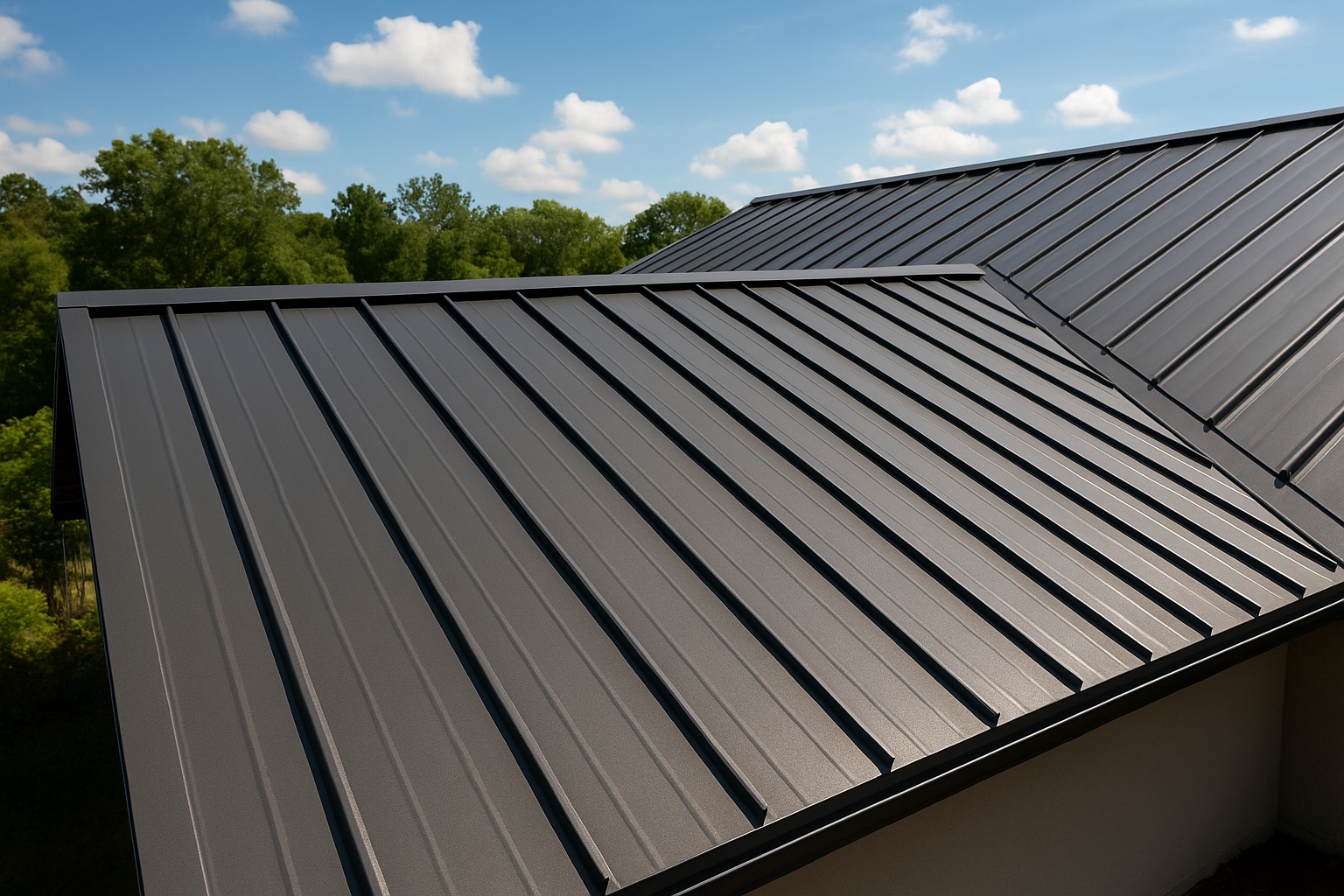
Standing-seam metal is the “forever roof” for many Utah homes. It excels at two things Utah does aggressively: sun exposure and snow accumulation. Standing-seam metal is also a top choice for new building projects aiming for energy efficiency and long-term durability.
Metal doesn’t dry out, doesn’t crack from UV, and sheds snow far better than asphalt. In higher elevations, that snow-shedding feature can prevent dangerous roof load buildup.
How Standing-Seam Metal Performs In Utah
Snow: Excellent—best snow-shedding option
Sun: Excellent—UV doesn’t degrade metal
Hail: Very good (denting possible but rarely leaks)
Wind: Excellent when properly fastened
Moisture: Great—non-porous, ventilation still important
Utah-Specific Pros
- Ideal for Park City, Heber, Summit County, Cache Valley, etc.
- Snow slides off instead of sitting and damming
- Heat reflective coatings reduce summer attic temps
- Very low maintenance across seasons, with standing-seam metal roofs providing easy access for maintenance and efficient snow removal
- Clean look that fits modern Utah architecture
Utah-Specific Weaknesses
- Higher initial cost
- Denting from very large hail is cosmetic, not structural
- Needs correct underlayment/fastener system to avoid noise and thermal movement issues
- Some HOAs restrict visible metal styles (varies)
Who Should Choose Metal In Utah?
- Homeowners who plan to stay 20+ years
- Mountain and high-snow homes
- South-facing roofs that roast under UV
- Anyone tired of repeated hail repairs
Reimagine take: Metal is the highest-performing material Utah homeowners can choose for sustainability and durability. If you can swing the upfront investment, it usually wins on lifetime cost.
4. Metal Shingles (High-Performance Look With Metal Durability)
Best for: homeowners who want traditional appearance + metal strength
Typical Utah lifespan: ~40–60 years
Why homeowners choose it: beauty + hail resistance
Metal shingles give you metal performance but with the visual texture of shingles, shakes, or slate. They’re lighter than tile/slate and excellent in hail zones. Metal shingles also give homeowners greater control over both the look and durability of their roof.
How Metal Shingles Perform In Utah
Snow: Excellent
Sun: Excellent
Hail: Excellent
Wind: Excellent
Moisture: Excellent
Utah-Specific Pros
- Great for HOA neighborhoods that resist standing-seam look
- Strong against hail impact
- Sheds snow better than asphalt
- Doesn’t UV-dry or crack
- Often carries long warranties
- Suitable for a wide range of locations throughout Utah, from mountain towns to urban neighborhoods
Utah-Specific Weaknesses
- Costs more than asphalt
- Needs skilled install to prevent seam errors
- Some styles can be noisier in rain (rare issue with good deck prep)
Who Should Choose Metal Shingles?
- Homeowners who want classic style but dislike asphalt lifespan
- Areas with consistent hail exposure
- Homes that need long-term durability without a “modern” roof look
Reimagine take: This is a premium Utah option that balances curb appeal with real climate performance.
5. Synthetic Slate Or Synthetic Shake (Utah Luxury Without Utah Risk)
Best for: upscale homes, historic styles, high-end neighborhoods
Typical Utah lifespan: ~35–50 years
Why homeowners choose it: looks like slate/cedar, handles hail better
Traditional slate and cedar are gorgeous—but Utah’s hail and freeze-thaw cycles can punish natural materials. Synthetic alternatives offer the look without brittleness or rot risk. These materials are often recommended by members of historic preservation societies or neighborhood associations for maintaining architectural authenticity while improving durability.
How Synthetic Materials Perform In Utah
Snow: Very good
Sun: Good to excellent (depends on product)
Hail: Very good—much stronger than natural slate
Wind: Very good
Moisture: Excellent—no rot
Utah-Specific Pros
- Great fit for older homes in Salt Lake City, Ogden, and historic districts
- Excellent choice for homes in group-designated historic districts, meeting preservation requirements while offering modern performance
- Better hail performance than real slate
- Lighter than natural stone, so fewer structural upgrades
- Doesn’t rot like cedar in snow-melt saturation zones
Utah-Specific Weaknesses
- Higher cost than asphalt
- Needs careful install and flashing detail
- Some products fade if not UV-stabilized (choose smart)
Who Should Choose Synthetic Slate/Shake?
- Homeowners prioritizing style + longevity
- Historic neighborhoods with aesthetic standards
- Families planning long-term ownership
- Homes needing light-weight premium materials
Reimagine take: One of the best “premium-but-practical” Utah options.
6. Tile Roofing (Great In Southern Utah, Tricky In Snow Zones)
Best for: St. George, Washington County, red-rock desert regions located in Southern Utah near the Arizona border
Typical Utah lifespan: ~40–75 years
Why homeowners choose it: heat performance, beautiful Southwest looks
Tile roofs love dry heat. Southern Utah’s climate suits tile extremely well. But tile is not a universal Utah winner, because snow load and freeze-thaw can crack tiles in colder parts of the state.
How Tile Performs In Utah
Snow: Poor-moderate depending on elevation and tile design
Sun: Excellent
Hail: Moderate (can crack under large hail)
Wind: Good
Moisture: Good if underlayment is top notch
Utah-Specific Pros
- Perfect for Southern Utah heat
- Tile roofs are a familiar site in many Southern Utah desert communities
- Long lifespan in dry climates
- Great curb appeal for desert-modern and Spanish styles
- Excellent energy performance
Utah-Specific Weaknesses
- Heavy—may require structural reinforcement
- Cracks more easily in freeze-thaw zones
- Repair costs higher and more specialized
- Not ideal for high-hail corridors
Who Should Choose Tile In Utah?
- Homes in St. George / Ivins / Hurricane areas
- Low snow-load regions
- Homeowners prepared for a premium install
Reimagine take: Tile is a Southern Utah specialty—amazing where the climate supports it, risky where it doesn’t.
7. Cedar Shake (Beautiful, But High Maintenance In Utah)
Best for: specific aesthetic goals, not hail-heavy zones
Typical Utah lifespan: ~20–30 years with maintenance
Why homeowners choose it: natural look, mountain style
Cedar looks perfect on ski-town cabins and rustic Utah homes. But it’s not a carefree choice here. Hail, UV, and long snow-melt saturation periods can shorten cedar’s life unless it’s maintained well. Cedar shake requires a minimum level of ongoing maintenance to ensure longevity.
Cedar Performance In Utah
Snow: Moderate (holds moisture longer)
Sun: Moderate (UV cracks untreated wood)
Hail: Poor-moderate (splitting risk)
Wind: Moderate
Moisture: Poor-moderate unless treated/maintained
Utah-Specific Pros
- Gorgeous in mountain and rustic settings
- Natural insulation value
- Matches cabin/heritage home styles
Utah-Specific Weaknesses
- Requires regular treatment
- Vulnerable to hail splitting
- Holds moisture longer after snow melt
- Fire-risk rules may limit use in some counties
Who Should Choose Cedar?
- Homeowners committed to maintenance
- Low-hail areas
- Rustic homes where appearance matters most
Reimagine take: Cedar is a “heart choice,” not a “climate choice” in most of Utah.
Roof Maintenance and Repair in Utah’s Climate
Utah’s climate is as tough on roofs as it is beautiful for residents. With hot, dry summers and snowy, icy winters, your roof is constantly tested by the elements. This means that regular maintenance isn’t just a suggestion—it’s a necessity if you want your roof to perform at its best and protect your house year after year. Whether you’re dealing with the intense sun in southern Utah or heavy snowpack in the mountains, staying on top of roof care can help you avoid costly repairs and extend the life of your investment.
Performing routine inspections and addressing small issues early is the best way to ensure your roof remains in top condition. By catching problems before they escalate, you can maintain the quality of your roof, prevent leaks, and keep your home protected no matter what the Utah weather brings.
Seasonal Maintenance Checklist
Utah’s changing seasons each bring their own set of challenges for your roof. To keep your roof and shingles in peak condition, it’s important to perform targeted maintenance throughout the year. Here’s a simple checklist to help you stay ahead of potential damage:
- Spring: After the snow melts, inspect your roof for any signs of damage caused by ice or heavy snow. Look for missing or cracked shingles, and make sure to clean out gutters and downspouts so water can flow freely away from your house.
- Summer: The intense Utah sun can cause shingles to curl, crack, or lose their protective granules. Check for these signs of heat damage, and trim back any overhanging branches that could scrape or fall onto your roof during a storm.
- Fall: As leaves drop, clean your gutters and downspouts again to prevent blockages. Inspect your roof for any damage from summer storms, and make sure flashing and seals are intact before winter arrives.
- Winter: Keep an eye out for snow accumulation and ice dams, which can lead to sagging or uneven areas on your roof. Make sure gutters and downspouts remain clear to help prevent water backup and ice formation.
By performing these seasonal tasks, you’ll help your roof withstand Utah’s toughest weather and spot early signs of damage before they become bigger problems.
Common Utah Roof Repairs
Utah’s weather can be unpredictable, and that means your roof may need repairs more often than in milder climates. Here are some of the most common roof issues Utah homeowners face—and what leads to them:
- Leaks: Heavy snow and rain can find their way through even small gaps in your roof, especially if shingles are missing or damaged. Leaks are often the first sign that your roof needs attention.
- Damaged Shingles: Utah’s strong sun and high winds can cause shingles to crack, curl, or blow off entirely. Damaged shingles leave your roof vulnerable to water intrusion and further damage.
- Ice Dams: When snow melts and refreezes at the edge of your roof, it can create ice dams that trap water and force it under your shingles, leading to leaks and structural damage.
- Gutter Problems: Clogged or damaged gutters and downspouts can cause water to back up onto your roof, increasing the risk of leaks and rot.
Addressing these issues quickly is key to preventing more extensive damage and keeping your roof in good shape for years to come.
When to Repair vs Replace
Deciding between roof repair and roof replacement can be a challenge, especially when you want to balance quality, cost, and long-term value. Here are some factors to help you make the right call for your Utah home:
- Age: If your roof is approaching the end of its expected life (usually 20–30 years for most materials), a full roof replacement may be the smarter investment, as repairs may only offer a temporary fix.
- Extent of Damage: Widespread or severe damage—such as large areas of missing shingles, multiple leaks, or significant structural issues—often means replacement is more cost-effective than repeated repairs.
- Quality of Materials: Roofs built with low-quality materials are more likely to suffer from leaks and damage, making replacement with higher-quality materials a wise choice for long-term protection.
- Budget: While roof replacement is a significant investment, ongoing repairs can add up quickly. Consider your budget and the potential savings of a new, more durable roof that will last longer and require less maintenance.
By weighing these factors and consulting with experienced contractors, you can choose the best solution for your home—whether that means targeted repairs or a complete roof replacement. Regular maintenance and timely repairs will help your roof reach its maximum life, keeping your house protected and your investment secure.
A Quick Utah Material Leaderboard (Snow, Sun, And Hail)
Best overall performance:
(Leaderboard based on results from real-world performance testing in Utah’s climate)
- Standing-seam metal
- Metal shingles
- Class 4 impact-resistant asphalt
- Synthetic slate/shake
- Architectural asphalt
- Tile (Southern Utah only)
- Cedar shake
Best value for most homeowners:
- Architectural asphalt (upgraded system)
- Class 4 asphalt in hail zones
- Metal if staying long-term
Metal Vs Asphalt In Utah: The Honest 2025 Comparison
This is the state’s most common homeowner debate, so here’s a clear breakdown.
Upfront Cost
- Asphalt: lowest cost
- Metal: higher upfront investment
Lifespan
- Asphalt: 18–25 years in Utah (often less with hail/UV)
- Metal: 40–70 years
Snow And Ice
- Asphalt: holds snow longer, higher ice-dam risk
- Metal: sheds snow fast, lower ice-dam risk
Hail
- Asphalt: can bruise and fail invisibly
- Metal: may dent but rarely leaks
UV
- Asphalt: dries out, cracks sooner
- Metal: unaffected by UV
Lifetime Cost
- Asphalt can cost less up front, but twice over a 40–50 year ownership window.
- Metal costs more now but usually less over time because you replace it once.
If you’re staying in your home long-term, metal usually wins.
If you’re prioritizing budget now or planning to move in 8–12 years, asphalt may be the smarter fit—especially if upgraded to Class 4.
Don’t Forget The “System” Under The Material (What Makes Roofs Last In Utah)
This part is huge. Utah homeowners often blame the shingle when the real failure comes from the system beneath it.
A Utah-ready roof needs:
- Ice Barrier At Eaves And Valleys
Prevents meltwater backup under snow loads. - High-Performance Underlayment
Utah storms and wind-driven rain demand a dependable secondary layer. - Correct Ventilation Math
Poor ventilation causes:- ice dams
- decking rot
- mold
- heat baking
- shingle curl
- shortened lifespan
- Proper Flashing And Drip Edge
Utah freeze-thaw loosens weak flashing fast.
At Reimagine Roofing, we install for Utah climate first—not just by the manufacturer playbook. The material is what you see. The system is what protects it.
Choosing The Best Roof By Utah Region
Utah isn’t one climate. Here’s what performs best by area.
Wasatch Front (Salt Lake, Davis, Weber, Utah County)
Top picks:
- Class 4 impact-resistant asphalt
- Standing-seam metal
- Metal shingles
Why: hail + sun + decent snow loads. Data on hail frequency and high sun exposure in the Wasatch Front region support these as the most durable roof materials for local conditions.
High-Elevation / Mountain Towns (Park City, Heber, Summit, Cache)
Top picks:
- Standing-seam metal
- Metal shingles
- Synthetic slate
Why: heavy snow loads, ice dam risk, UV intensity.
Southern Utah / Desert Regions (St. George Area)
Top picks:
- Standing-seam metal (cool roof finishes)
- Tile (if structure supports it)
- High-grade asphalt with heat-resistant underlayment
Why: intense heat and UV; less snow, but occasional hail and wind. The region is also defined by the running of the Virgin River and major highways through Southern Utah, shaping both its climate and accessibility.
Rural And Canyon Zones
Top picks:
- Metal
- Class 4 asphalt
- Synthetic systems as aesthetics allow
Why: wind exposure + storm unpredictability.
What To Ask A Utah Roofer In 2025 (To Avoid The Wrong Material)
Before signing anything, ask:
- “What’s The Best Roof For My Specific Utah Area?” If they don’t mention snow, hail, and UV—run.
- “Are These Shingles Impact-Rated?” If you’re in a hail corridor, this matters.
- “How Are You Handling Ice-Dam Protection?” You want specifics.
- “What’s Your Ventilation Plan?” Not “we add ridge vent.” A real plan.
- “What Underlayment Are You Using And Why?” Utah needs high-performance layers.
A confident, climate-smart roofer will answer easily.
Take note of the roofer’s responses so you can compare answers and make an informed decision.
Get A Free Utah Roof Inspection And Material Plan
Picking the right roof material in Utah is a high-stakes decision—and you don’t need to guess.
Reimagine Roofing offers free, professional inspections across Utah service areas. We’ll look at:
- your roof’s current condition
- hail impact history
- snow-load risk points
- attic ventilation
- ice-dam vulnerability
- decking health
- your neighborhood’s climate profile
After your inspection, you’re free to shop around and compare quotes with no obligation.
Then we’ll recommend the best roof material for your home and budget—snow, sun, and hail tested for Utah.
What You Get With Reimagine Roofing:
- ✅ Free inspection (no commitment required)
- ✅ Photo-documented findings
- ✅ Material options tailored to your Utah region
- ✅ Class 4 and metal upgrade guidance
- ✅ Financing options available
- ✅ Clear estimates in under 24 hours
Ready to find your best roof for Utah climate in 2025?
Schedule your free Reimagine Roofing inspection today, and we’ll build you a roof system that lasts through Utah winters, Utah sun, and Utah storms.
Popular Posts