Triple Pane Windows for Noise Reduction and Heat Blocking: What’s the Real Difference?
Triple Pane Windows for Noise Reduction and Heat Blocking: What’s the Real Difference?
Triple-pane windows have a reputation for being the “best of the best.”
More glass must mean more comfort, right?
Not always.
While triple-pane windows can dramatically improve certain aspects of your home, many homeowners install them expecting major heat reduction—only to find that the results don’t match the price tag.
So what do triple-pane windows actually do best?
And when are they worth it?
In this guide, we’ll break down:
- How triple-pane windows really work
- Why they excel at noise reduction
- Why heat blocking is more complicated
- When double-pane windows can outperform triple-pane
- How to decide what’s right for your home
No hype. Just building science, explained clearly.
What Are Triple-Pane Windows?
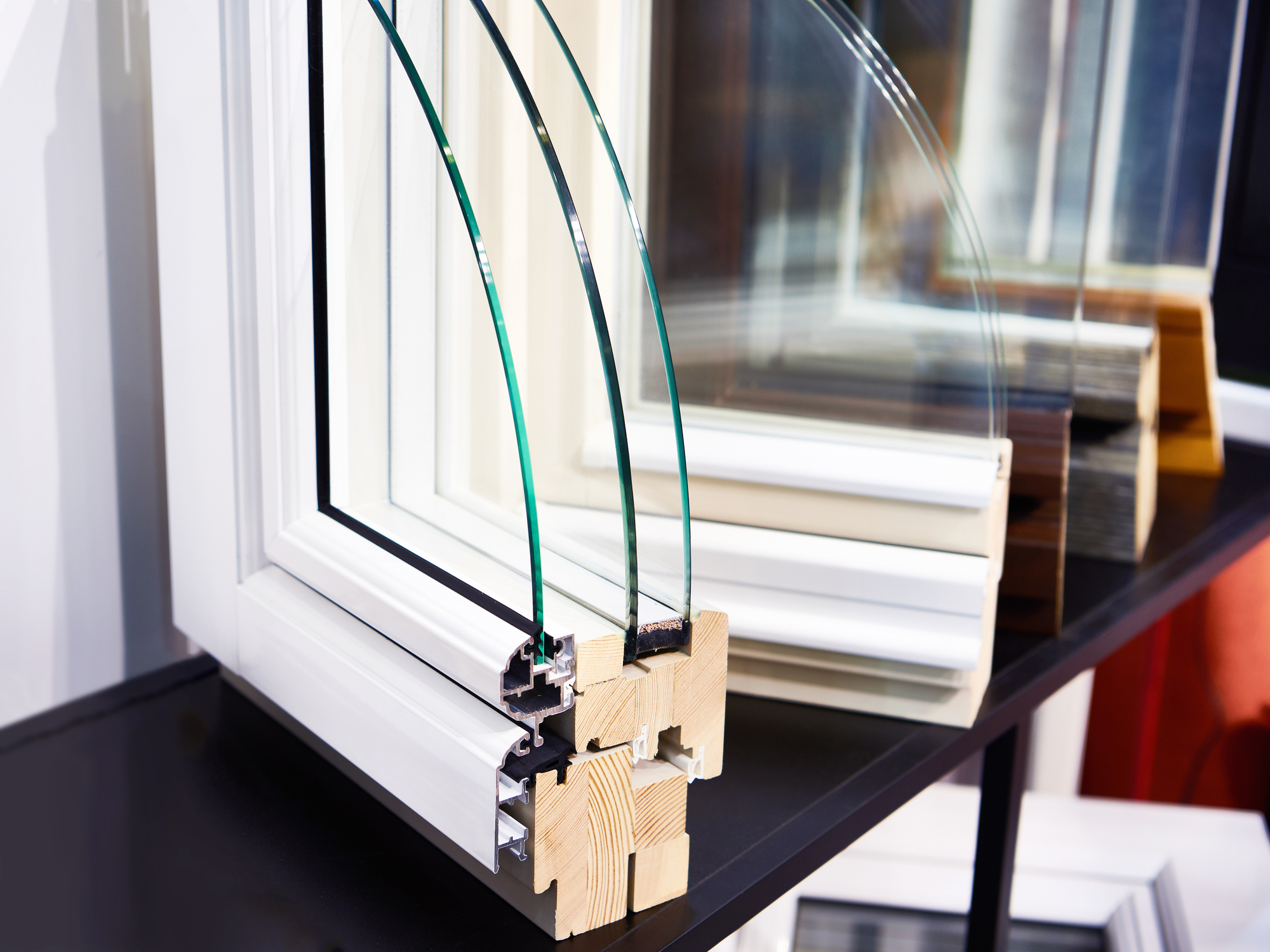
Triple-pane windows use three layers of glass instead of one or two, with gas-filled spaces between each pane. Triple pane glass differs from dual-pane glass by featuring an additional pane and two air spaces, which significantly enhance thermal insulation and sound reduction. The extra pane glass and air space make triple pane windows more energy efficient than standard double-pane options.
A typical triple-pane window includes:
- Three panes of glass (triple pane glass)
- Two insulating air spaces filled with an argon gas blend (a feature of insulated glass units)
- Argon or krypton gas fills
- Low-E coatings
- Heavier, reinforced frames
Triple-pane windows are built as insulated glass units (IGUs) with three panes of glass and two gas-filled spaces between them. Triple pane windows require more materials to make, including some that are more expensive, and the additional pane and thicker construction result in a thicker and heavier piece compared to dual-pane windows, which can increase installation costs due to the need for more labor and equipment.
They were originally designed for extreme cold climates, not hot ones—and that context matters.
The Two Big Promises of Triple-Pane Windows
Most homeowners choose triple-pane windows for two reasons:
- Noise reduction
- Better insulation / energy efficiency
Triple-pane windows provide superior insulation and superior energy efficiency compared to double-pane windows, which can help improve energy efficiency in the home.
Let’s look at each separately—because this is where most confusion happens.
Triple-Pane Windows for Noise Reduction: Where They Shine
If your main problem is sound, triple-pane windows can be a game-changer. Triple-pane windows are often marketed as noise reduction windows due to their advanced construction, which features three layers of glass and two insulating air spaces.
Here’s why triple-pane windows help with noise:
- More layers of glass mean more barriers for sound to pass through.
- The air (or gas) spaces between the panes disrupt sound waves.
- The different thicknesses of glass can help block a wider range of sound frequencies.
The thickness of the glass and the distance between the panes in triple-pane windows contribute to their superior soundproofing compared to double-pane windows.
This design results in significantly less noise entering your home compared to standard double-pane windows. Triple-pane windows typically have a higher Sound Transmission Class (STC) rating than double-pane windows, indicating better noise reduction capabilities.
Why more panes reduce noise
Sound travels as vibration. Each pane glass layer:
- Disrupts sound waves
- Changes vibration frequency
- Reduces sound transmission
With three panes and two air gaps, sound energy gets interrupted multiple times before reaching your interior space.
Additionally, multiple Low-E coatings can be applied to the glass to further enhance both sound and thermal performance.
What kind of noise reduction can you expect?
Triple-pane windows can reduce:
- Traffic noise
- Construction sounds
- Aircraft noise
- Loud neighbors
- Street activity
In many cases, homeowners experience 30–50% noise reduction, sometimes more—especially when upgrading from single-pane or old double-pane windows.
STC ratings: the real noise metric
Soundproofing is measured by STC (Sound Transmission Class).
- Single-pane: STC ~26–28
- Double-pane: STC ~30–32
- Triple-pane: STC ~34–38+
Laminated windows can achieve even higher STC ratings, sometimes as high as 40 or more, making them an effective alternative for soundproofing.
That difference is very noticeable.
👉 If noise is your #1 complaint, triple-pane windows often make sense.
But Here’s the Catch: Heat Blocking Is Not the Same Thing
This is where expectations often go sideways.
Many homeowners assume:
“If triple-pane blocks sound better, it must block heat better too.”
Heat doesn’t behave like sound. Heat flow through windows is a key factor in energy efficiency, and the U-Factor measures the thermal performance of windows, indicating how well they prevent heat loss.
How Heat Actually Enters Through Windows
Heat transfer happens in three ways:
- Conduction – heat moving through materials
- Convection – heat carried by air
- Radiation – solar energy entering as sunlight
The thermal performance of windows is measured using metrics like U-Factor and R-Value, which indicate how well a window resists heat flow. A lower U-Factor means better insulation and less heat transfer, which is especially important for energy efficiency in both hot and cold climates.
In hot climates, radiation (solar heat gain) is the biggest issue.
And here’s the key point:
👉 More glass does not automatically mean less solar heat.
Solar Heat Gain Coefficient (SHGC): The Metric That Matters
SHGC measures how much solar heat passes through a window.
- Scale: 0.0–1.0
- Lower number = less heat enters
Typical SHGC ranges
- Poor hot-climate window: 0.40+
- Good: 0.25–0.30
- Excellent: 0.20–0.25
A triple-pane window with a high SHGC will still let in a lot of heat—despite having three panes.
Why Some Triple-Pane Windows Don’t Reduce Heat Much
Here’s why triple-pane windows don’t always deliver better cooling:
Triple-pane windows are most impactful in climates where more months of the year are spent heating the home, as their superior insulation helps retain warmth. They are especially beneficial in regions with both heating and cooling seasons, providing year-round comfort by improving insulation against temperature extremes.
1. Low-E coating matters more than pane count
Low-E coatings reflect infrared heat.
If the coating isn’t optimized for hot climates, heat still gets in.
Some triple-pane windows:
- Are tuned for cold climates
- Retain heat instead of reflecting it
- Actually trap solar heat indoors
2. Gas fills help insulation, not solar radiation
Argon and krypton reduce conductive heat transfer—but they don’t stop sunlight.
Triple-pane windows are considered the best insulating glass option, providing the highest insulation and noise reduction benefits, especially in northern climates.
Solar radiation still passes through unless reflected by coatings.
3. Heavier frames can absorb heat
Triple-pane frames are thicker and heavier. In hot sun, they can:
- Absorb exterior heat
- Radiate warmth inward
- Reduce comfort near the window
Double-Pane vs Triple-Pane for Heat Blocking
Here’s where things get interesting.
Homeowners can choose between double pane options, standard dual pane windows (which use standard dual pane glass), and triple-pane windows, each offering different levels of performance and cost. A high-performance double-pane window with:
- Solar-control Low-E
- Very low SHGC
- Proper installation
…can outperform a triple-pane window that isn’t solar-optimized. While triple-pane windows provide superior thermal insulation and soundproofing compared to standard dual pane glass, they are more expensive and heavier than standard dual pane windows. The payback period for triple-pane windows in harsh northern climates is roughly 10-15 years through energy savings.
Real-world comparison
| Feature | Double-Pane (Optimized) | Triple-Pane (Non-Optimized) |
| Noise reduction | Good | Excellent |
| Solar heat blocking | Excellent | Moderate |
| Cost | Lower | Higher |
| Frame weight | Lighter | Heavier |
| ROI (hot climates) | Higher | Lower |
👉 In hot climates, pane count is secondary to glass technology.
Triple-Pane Windows in Hot Climates: Worth It or Not?
It depends on why you’re buying them.
Triple-pane makes sense if:
✔ You live near heavy traffic
✔ Noise is a major quality-of-life issue
✔ Winters are cold and summers are hot
✔ Budget is flexible
Triple-pane may NOT be worth it if:
❌ Heat is your main problem
❌ You want the fastest ROI
❌ Your home already has decent sound isolation
❌ Windows face intense sun exposure
Orientation Matters More Than Pane Count
Window direction changes everything. When considering triple pane windows, it’s important to evaluate the entire window assembly—including both the glass and the frame—to understand the overall performance. Window assemblies should be assessed using the whole unit U-Factor for an accurate evaluation of their insulating properties and energy efficiency.
West-facing windows
- Receive strongest afternoon sun
- Cause major heat buildup
- Benefit most from low SHGC, not extra panes
North-facing windows
- Minimal solar exposure
- Pane count matters more than SHGC
South & east-facing
- Moderate solar load
- Balance between SHGC and insulation
👉 At Reimagine Construction, window recommendations are based on orientation, not just specs.
Noise Reduction Alternatives to Triple-Pane
If noise is your concern but triple-pane feels like overkill, there are alternatives. Replacement windows and new windows—such as single, double, or high-quality options like Infinity from Marvin—can also be effective solutions for noise reduction, depending on the specific needs of the homeowner. These options can help block outdoor sounds like traffic, lawnmowers, and barking dogs, creating a quieter indoor environment.
Laminated glass
- Two panes bonded with acoustic interlayer
- Excellent sound control
- Often lighter and cheaper than triple-pane
- Can be paired with low SHGC coatings
In many cases, laminated double-pane windows outperform triple-pane for noise and heat control.
Installation: The Silent Performance Killer
Even the best window fails if installed poorly.
Common mistakes:
- No acoustic sealing
- Gaps behind trim
- Poor flashing
- Improper leveling
Noise and heat both exploit gaps.
At Reimagine Construction, window installation includes:
✔ Full air sealing
✔ Proper insulation around frames
✔ Climate-specific flashing
✔ Precision fit
How Much Difference Can You Actually Feel?
Homeowners typically report:
- Quieter rooms within days
- Reduced echo and vibration
- More stable indoor temperatures
- Less HVAC cycling
- Improved sleep and comfort
Noise benefits are immediate.
Heat benefits depend on glass specs—not pane count alone.
Triple-Pane Costs vs Real ROI
Triple-pane windows cost 15–30% more than comparable double-pane units.
In cold climates, energy savings justify this faster.
In hot climates, ROI is slower unless noise reduction is a major value.
The Biggest Mistake Homeowners Make
The #1 mistake is assuming:
“Triple-pane is automatically the best.”
The right window is the one designed for:
- Your climate
- Your noise exposure
- Your window orientation
- Your comfort priorities
How Reimagine Construction Helps You Choose Correctly
We don’t push triple-pane unless it truly makes sense.
Our approach includes:
✔ Noise source evaluation
✔ Solar exposure analysis
✔ SHGC & Low-E optimization
✔ Budget-smart recommendations
✔ Honest comparisons
Sometimes that means triple-pane.
Sometimes it doesn’t.
Get a Free Window Performance Assessment
If you’re dealing with:
- Outside noise
- Hot rooms near windows
- High energy bills
- Confusing window quotes
…it’s time for expert guidance.
👉 Schedule a Free Window & Comfort Inspection
- No pressure
- No sales gimmicks
- Clear answers
- Fast quotes in under 24 hours
📞 Book your free inspection with Reimagine Construction today
Triple-Pane for Noise and Heat
Triple-pane windows excel at noise reduction.
Heat blocking depends on glass design, not pane count.
For many homes:
- Triple-pane = quieter
- Optimized double-pane = cooler
The best solution is the one designed specifically for your home—not the most expensive option.
If you want help choosing the right window solution, Reimagine Construction is ready to help.
Popular Posts